❌

Reading view

There are new articles available, click to refresh the page.

The 2008 economic crisis changed the US's relationship with energy

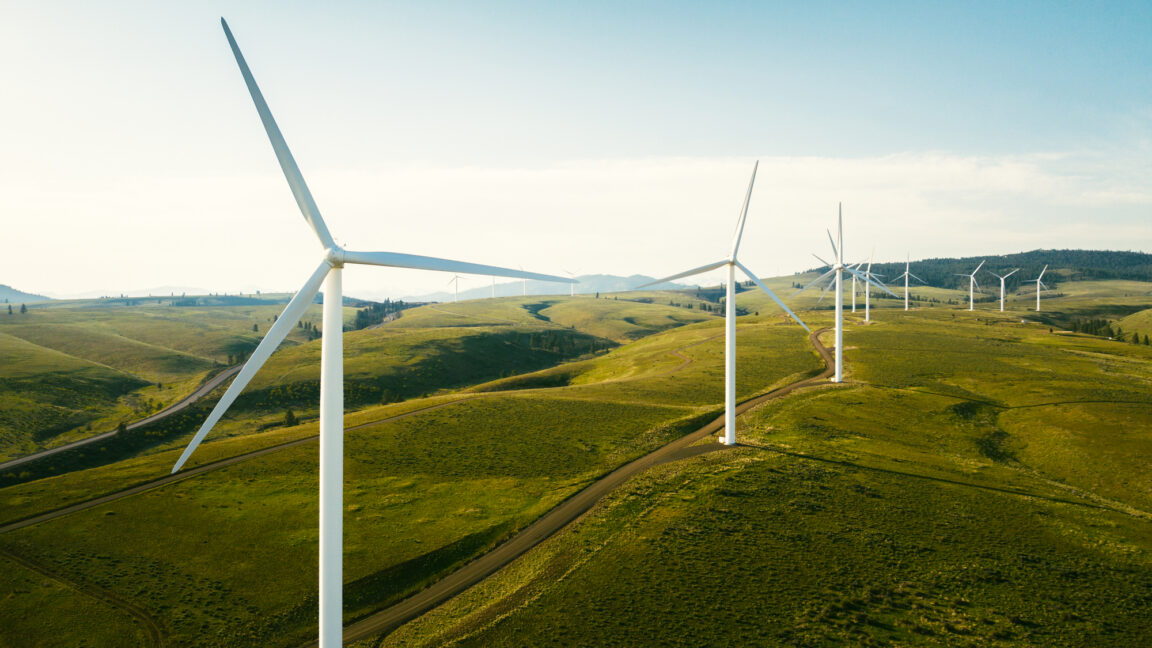
One argument that often comes up about climate change is that fossil fuels are good because they powered economic growth that has left most people better off overall. And, to an extent, that has been true, but it's also an extremely limited perspective.

It's pretty obvious now that the growth they powered has come with very high costs that we've only recently started to pay, in the form of damages and disruptions from extreme weather events. With things like sea level rise expected to continue for centuries even if we hit net zero, it's difficult to estimate how expensive that growth will eventually be.

But that perspective is also limited: We now have better ways to power our growthβ€”ways that are less environmentally damaging now and won't leave our descendants with a carbon debt that will be difficult to manage.
Read full article

Comments

Β© Ryan J Lane

Google figures out how to watermark AI-designed proteins

AI-based tools seem to be causing security threats on a nearly daily basis, in part because we've been slow to recognize potential threats. One area where we seem to be ahead of the game, however, is in biosecurity.

As with most things biological, utility goes hand in hand with threats. We've developed increasingly sophisticated tools for designing proteins and seen some major successes, such as AI-designed enzymes that can digest plastics or block venom proteins. But these same tools could be used to make toxins or alter the behavior of viral proteins.

And the software we use to identify DNA sequences that encode potentially threatening proteins doesn't pick out AI-designed proteins, since nobody has characterized them well enough to know that they're threats. Nearly a year after that risk was flagged, it still wasn't clear what anyone could do about it.

Read full article

Comments

Β© ALIOUI Mohammed Elamine

Is solar's growth finally slowing in the US?

Normally, we try to update you quarterly on what's going on with the US electric grid since it provides a nice view of developing trends and smooths out some month-to-month randomness. Unfortunately, I was out of the office when last month's data was released, so this will be a seven-month update on 2026 trends.

The top line item is that energy use is continuing to rise, albeit not as quickly as headlines about data centers might lead people to believe. Beyond data centers, there's a growing electrificationβ€”things like EVs and heat pumpsβ€”that is shifting energy demands onto the grid. Despite all of this, electricity use has risen by only 2 percent compared to the same period last year. At this time the previous year, demand had risen by 3 percent compared to the year prior.

Some of this may be due to continued improvements in efficiency, which had largely kept electricity demand stable throughout the early 2000s. And some of it may be because more data centers are generating their own power so that demand doesn't show up on the grid. So far, the growth in demand hasn't reached apocalyptic levels.

Read full article

Comments

Β© Lu ShaoJi

❌