❌

Reading view

There are new articles available, click to refresh the page.

Neutrino physicist wins 2026 Nobel Physics Prize

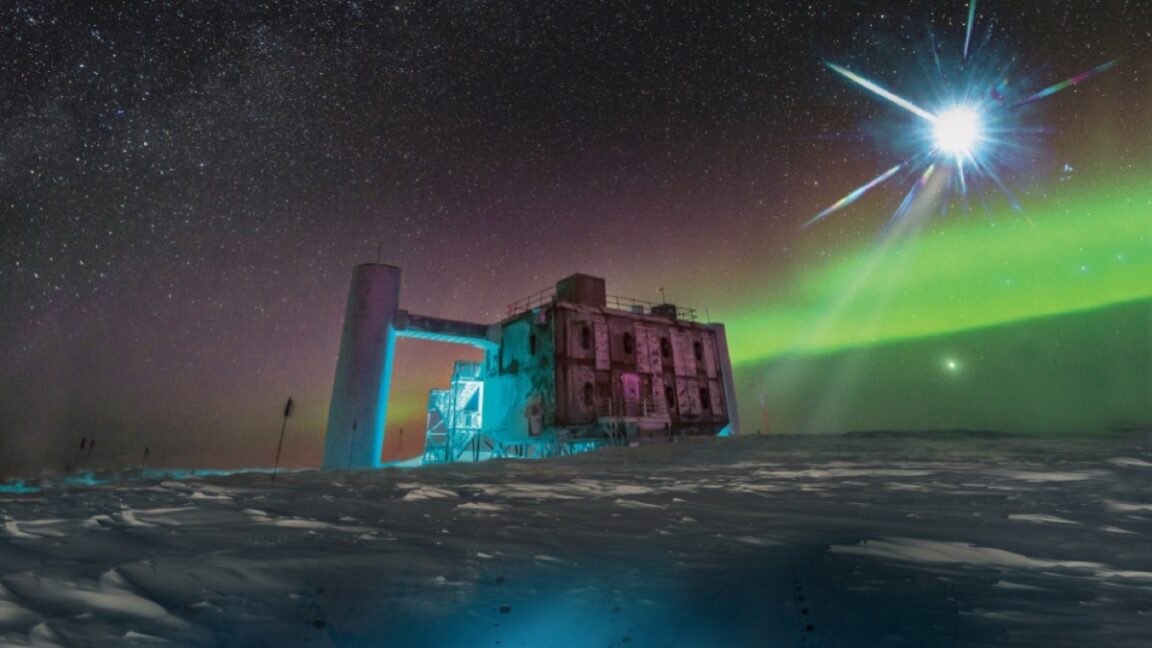
Francis Halzen, a physicist at the University of Wisconsin, Madison, has won the 2026 Nobel Prize in Physics "for decisive contributions to the IceCube Neutrino Observatory and the discovery of high-energy neutrinos of astrophysical origin.” Halzen spearheaded the development and construction of the IceCube Neutrino Observatory in Antarctica, enabling physicists to capture high-energy neutrinos created in the distant universe.

“It was a great surprise, and I obviously didn’t expect it,” Halzen said during a news conference in Stockholm, Sweden, speaking by phone from Italy. While the Nobel was awarded to Halzen, he emphasized that his work was the result of a “large collaboration” with other researchers.

“This reflects on the really courageous people who joined me in this project when really no respectable conservative physicist would have joined me. But many talented people did, and that’s why I’m here,” he said.
Read full article

Comments

© IceCube/NSF

Nobel Prize in Physics Is Awarded to Francis Halzen for Work on Neutrinos

The Nobel Committee honored Francis Halzen for his “vision and scientific leadership” of a telescope within the ice at the South Pole.

© Christine Olsson/TT News Agency, via Reuters

The Nobel Committee praised Francis Halzen’s “vision and scientific leadership” at the IceCube Neutrino Observatory, a research project at the South Pole.

Controlling the brain with light earns a physiology Nobel

Over decades of research, scientists have built up a partial picture of what specialized cells within the brain and spinal cord do. By studying how the brain develops, they could identify genes that were active in different populations of neurons and where in the brain those neurons resided. In some cases, these genes could then be used to genetically delete the neurons, allowing us to get some indication of what they might be doing, building on the information we've obtained from studies of brains with damaged regions.

But this approach has its limits. The brain is flexible enough to potentially adapt to the loss of some cells, and their loss early in development may alter the development of any neurons they would have normally formed connections with. It would be far more informative to activate and shut down the neurons in an otherwise intact brain.

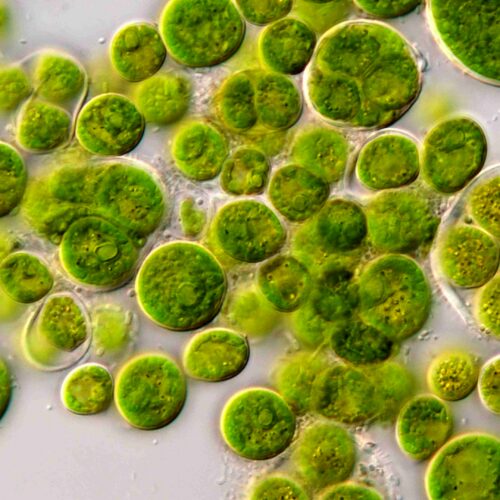
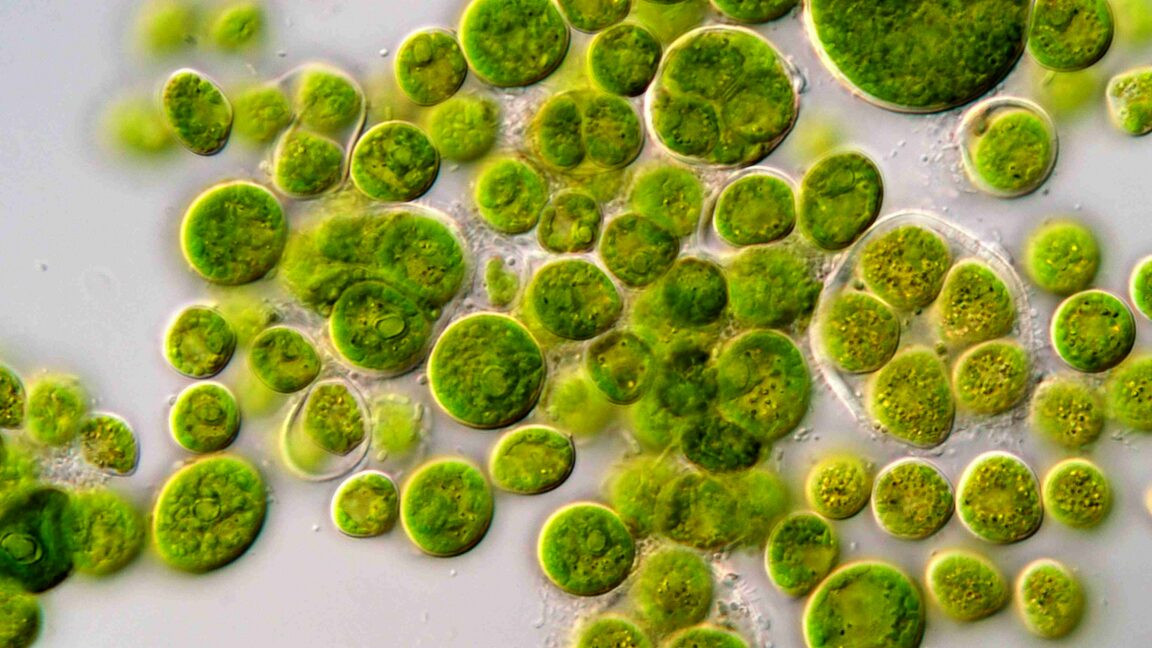
Today's Nobel Prize in Physiology or Medicine rewards three people—Karl Deisseroth, Peter Hegemann and Georg Nagel—who developed our ability to do precisely that. Starting from studies of single-celled algae that are attracted to light, these and many other researchers built an entire field of study that we now call optogenetics: using light to alter the behavior of nerve cells marked by the activity of individual genes.

Read full article

Comments

© Namscience

Nobel Prize in Physiology or Medicine Is Awarded for Discoveries in Neuroscience

Karl Deisseroth, Peter Hegemann and Georg Nagel were recognized for their work on light-gated ion channels and optogenetics, a technique that uses tiny lights to activate neurons in the brain.

© Jonathan Nackstrand/Agence France-Presse — Getty Images

Thomas Perlmann, the secretary general of the Nobel Committee, speaking at the Karolinska Institute in Stockholm, Sweden, on Monday.
❌