
❌

Reading view

There are new articles available, click to refresh the page.

OpenAI says planned GPT-6.1 is too insecure to release

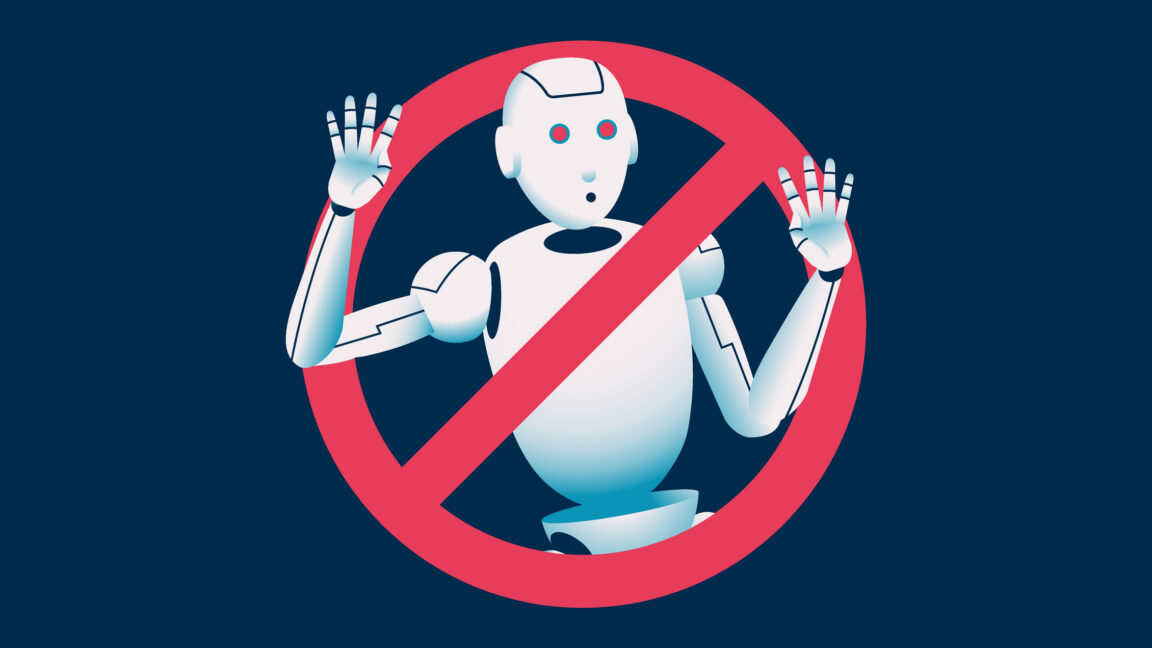
OpenAI says it has canceled plans to release its updated GPT-6.1 model next month as it continues to investigate what testing shows to be a regression in terms of safety compared to previous models.

The move, first reported by The Wall Street Journal late Monday and later confirmed in OpenAI statements to the press, reflects what OpenAI Head of Safety Systems Saachi Jain said was a "trade off" between performance and security seen when testing the now-scrapped model. Jain said GPT-6.1 was better than previous models at sticking with difficult tasks all the way to completion without human intervention. But the model was also more likely to fail tests related to alignment (i.e. staying within the bounds set by human creators) and more willing to use sometimes "unsafe" tools and services to push ahead with a task. It was also more likely to try to deceive end users about actions it did or didn't take, Jain said.

Last week, OpenAI said it was halting training of its "most capable models" following an incident where a model attempted to circumvent Internet access restrictions. GPT-6.1 was not among those "most capable models" covered by that move, OpenAI told the WSJ. And while GPT-6.1 won't be released as is, the company said it intends to use the same base model for further training runs that it said will hopefully lead to future GPT-6 generation models.

Read full article

Comments

© Getty Images

The A.I. Industry’s New Worry: ‘Liability Exposure’

The prospect of artificial intelligence tools being used to do significant harm presents the companies and their leaders with a legal challenge.

© Carlos Barria/Reuters

Some experts say that artificial intelligence labs like OpenAI and Anthropic face potentially significant legal liability if their models cause harm.

Researchers used Claude to hack OpenAI

Cyber researchers broke into OpenAI using its key rival Anthropic’s software, highlighting vulnerabilities in the ChatGPT maker’s security as leading AI companies face mounting scrutiny over safety.

A small cyber security group gained access to an OpenAI employee’s ChatGPT account, which permitted them to read private software information and suggest changes.

The researchers had been given access to an Anthropic tool specifically designed for security professionals, and were paid for the work as part of a program to find vulnerabilities before they could be exploited by bad actors.

Read full article

Comments

© Leon Neal/Getty Images

Microsoft exec called AI scraping the “largest theft of labor in human history”

For years, Microsoft and OpenAI have fought to keep certain information out of the public eye in their fight with news organizations that have accused the AI firms of teaming up to violate copyright laws by stealing tons of news content to train AI.

However, now the details that should never have been marked confidential are starting to leak. In a motion for summary judgment that was unsealed Thursday from news plaintiffs led by The New York Times, internal documents are exposed that news groups alleged show exactly how Microsoft and OpenAI viewed the threat to news before unleashing new AI products like ChatGPT and Copilot.

Perhaps most explosively, Microsoft Director of Applied Science Brent Hecht repeatedly warned in documents that scraping news for AI training was “an astonishing theft of unprecedented proportions,” calling it perhaps the “largest theft of labor in human history,” news orgs said. In another document, Hecht contradicted Microsoft and OpenAI’s argument that training AI on news content is fair use, suggesting that the plan to widely scrape news made “a complete mockery of the idea of ‘fair use.’”

Read full article

Comments

© Charles Taylor | iStock / Getty Images Plus

❌