Reading view

There are new articles available, click to refresh the page.

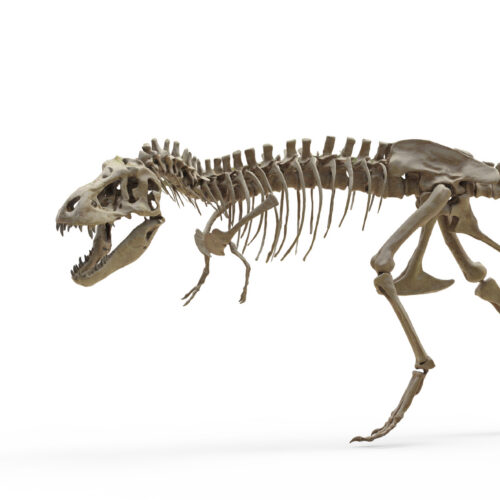
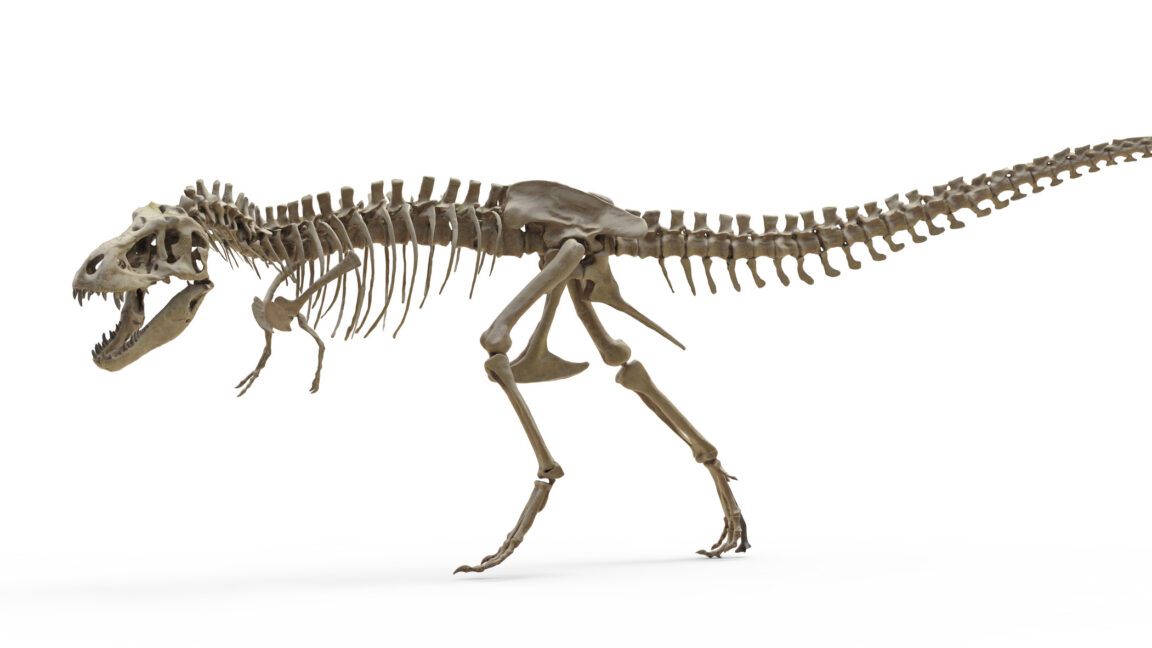
T. rex teeth indicate it ran as warm as an elephant

For most of the last century, T. rex was pictured as a sluggish, tail-dragging reptile that had to warm up in the sun before it could go anywhere. Then, further research changed that view, replacing it with the active, bird-like animal shown in the movie Jurassic Park. But whether T. rex used warm blood to power that activity remained a question. Now we might have gotten closer to an answer.

A team of researchers led by Randon J. Flores and Robert A. Eagle, geochemists at the University of California, Los Angeles, has measured the T. rex body temperature by analyzing its teeth. This dental thermometer read about 36° Celsius—roughly the body temperature of a modern elephant.

Dental thermometry

Paleontologists have long argued about dinosaur physiology based on indirect evidence like bone microstructure, growth rates, and where fossils turn up on the map. Some studies suggested many dinosaurs were endotherms, generating their own body heat like birds and mammals. Others argued that each lineage may have had its own thermal strategy.
Read full article

Comments

© duoogle

Rings around a tiny body have changed over the past decade

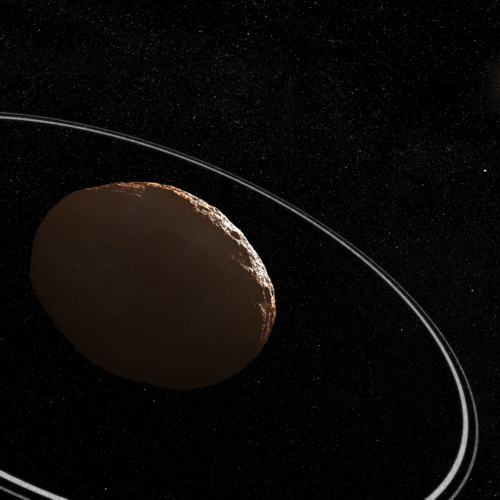
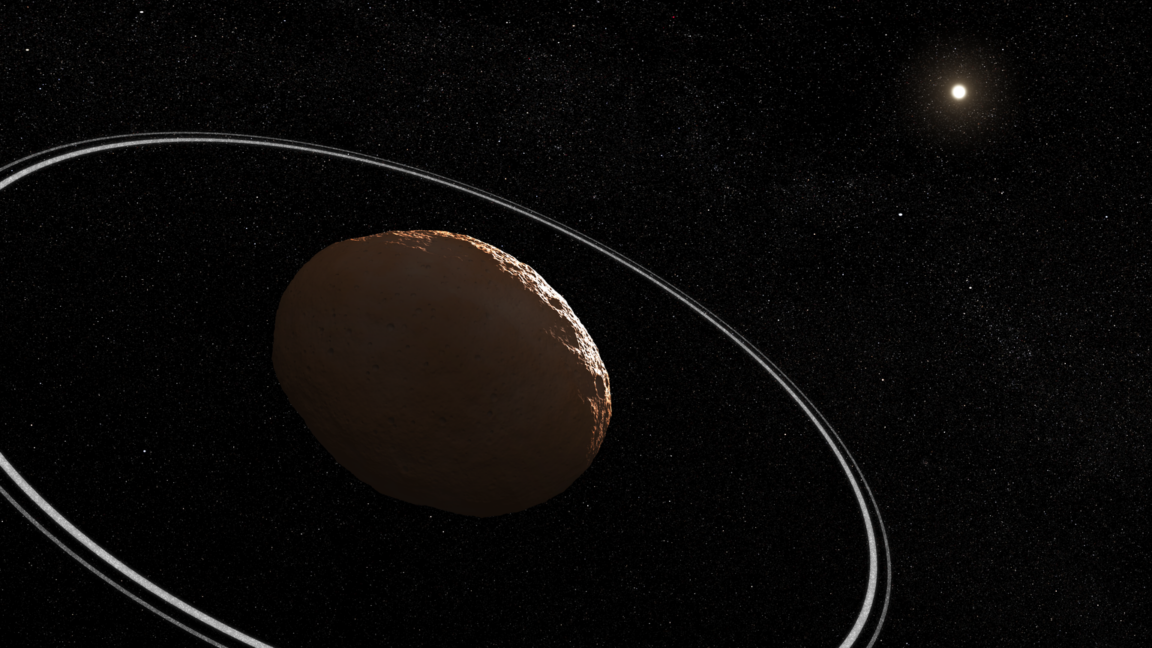
For decades, astronomers thought rings were something only giant planets had. That changed in 2013, when a small, dark body orbiting between Saturn and Uranus passed in front of a star and blinked twice on either side of the main event, revealing two narrow rings around an object barely 250 kilometers across. “It was a surprise,” says Pablo Santos-Sanz, an astronomer at the Instituto de Astrofísica de Andalucía in Granada, Spain. Ever since, the question has been what such rings are made of and how long they can last.

In a recent study, Santos-Sanz and his colleagues used the James Webb Space Telescope to watch the same body, now known as Chariklo, pass in front of a background star again. They found one of its rings had grown denser and the other had almost vanished. We don’t know exactly why.

Shadowing a star

The technique behind the observation is simple. “We predict when a Solar System object passes in front of a star,” Santos-Sanz said. The starlight dims for a moment, and the shape of that dip reveals the size, shape, and surroundings of the object that caused it. “This is particularly challenging for minor bodies, and more challenging for distant minor bodies,” he said.

Read full article

Comments

© NASA, ESA, CSA, Leah Hustak

Finding the cells that put our brain to sleep

For a long time, sleep research has treated the cerebral cortex as a passive follower reacting to signals from the deep brain. “Usually, sleep is associated with being controlled by subcortical regions,” said Geoffrey Terral, a neuroscientist at the Albert Einstein College of Medicine in New York.

The cortex is where the slow rhythms of deep sleep can be seen, but researchers assumed the signals that triggered them originated elsewhere. In a recent Nature study, Terral and Renata Batista-Brito, who runs the lab, report a population of cortical cells that challenges that assumption.

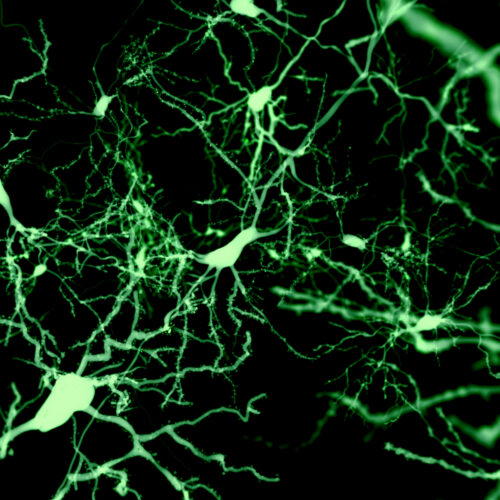
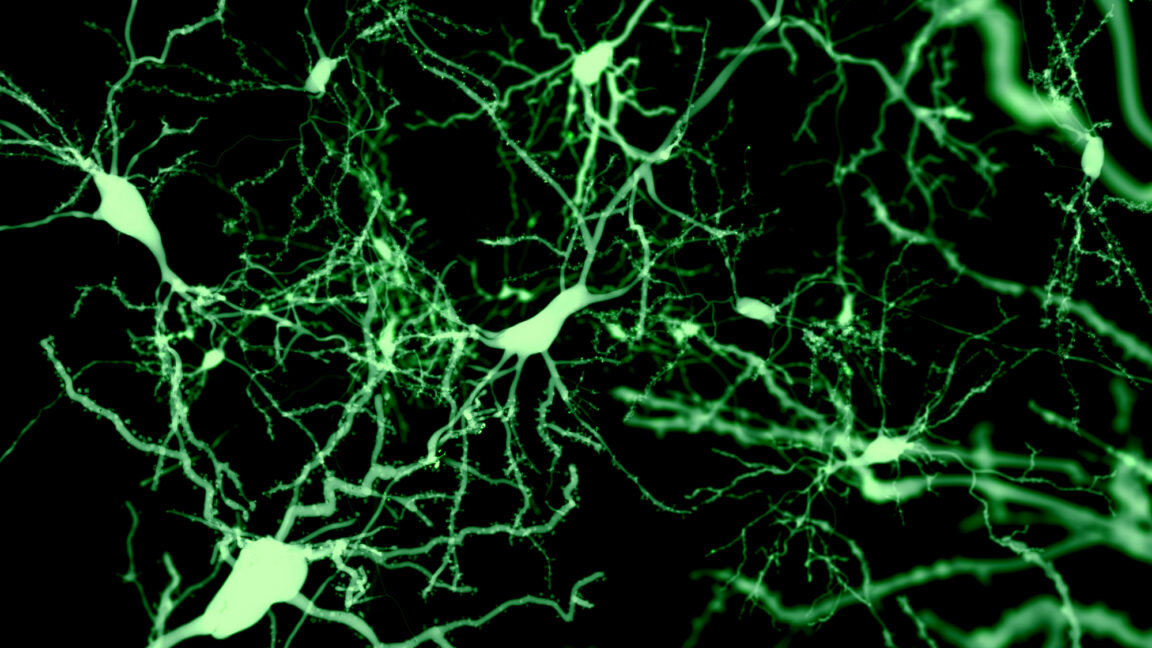
These cortical cells make up only around one percent of the cortex's inhibitory neurons, and switching them on in a mouse puts the animal to sleep. “What our work shows is that the cortex can not only see this rhythm but also initiate it by itself, and this is sufficient to promote sleep,” Terral said.

Read full article

Comments

© JUAN GAERTNER/SCIENCE PHOTO LIBRARY

❌