 Login

Rocket Report: Winter is coming for Themis; Cowboy Space adds iron to the fire
Welcome to Edition 9.17 of the Rocket Report! It's been a while since an American company announced plans for a medium-lift new launch vehicle, but that's what happened this week when a startup named Cowboy Space revealed specs for its Big Iron rocket, named for the classic country-western song by Marty Robbins. I'm a huge fan of the name. Maybe Cowboy Space is striking while the iron is hot as the space industry frets over demand for launch outpacing supply. However, Cowboy Space lags far behind so many other launch providers nearing the launch pad with their medium-class rockets, and the company didn't have much hardware to show at this week's big reveal. In other words, don't mistake style for substance. But we're rocket fans at Ars, and we wish them luck.
As always, we welcome reader submissions, and if you don't want to miss an issue, please subscribe using the box below (the form will not appear on AMP-enabled versions of the site). Each report will include information on small-, medium-, and heavy-lift rockets as well as a quick look ahead at the next three launches on the calendar.

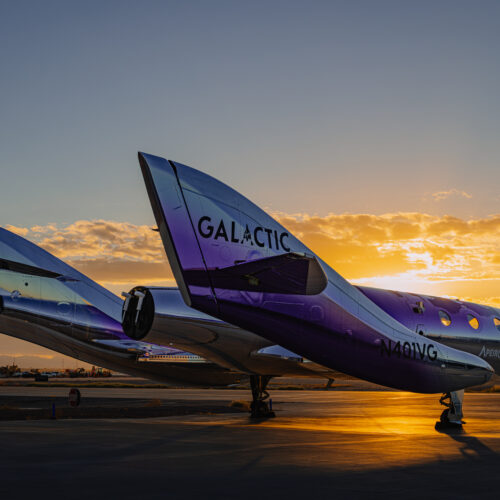
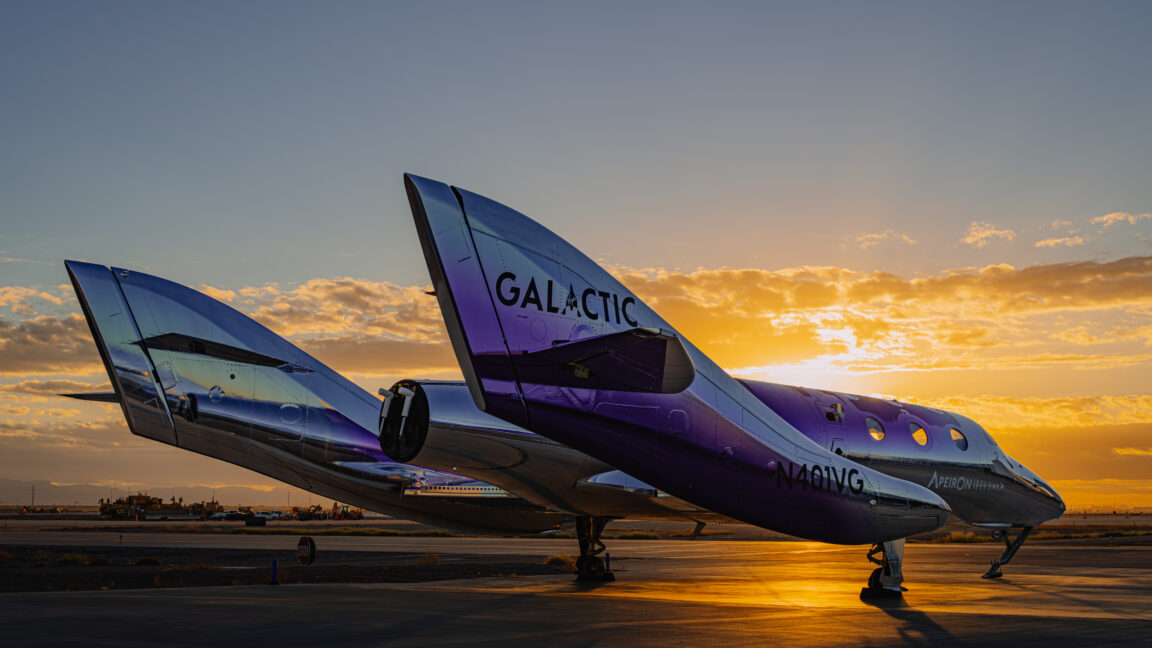
Virgin's new rocket plane reaches home port. The first of Virgin Galactic's new Delta-class rocket planes left its Arizona factory Wednesday for a trip to Spaceport America in neighboring New Mexico, where it will undergo preparations for a test campaign culminating in suborbital flights to the edge of space, Ars reports. Virgin Galactic expects the craft's first commercial spaceflight to take place "early" in the second quarter of 2027, but like every other projected date in aerospace, this should be taken with a grain of salt. Virgin Galactic halted commercial flights of its previous vehicle, VSS Unity, in 2024.


© Thos Robinson/Getty Images for Cowboy Space Corporation