❌

Reading view

There are new articles available, click to refresh the page.

Tesla’s big electric truck faces an even bigger infrastructure challenge

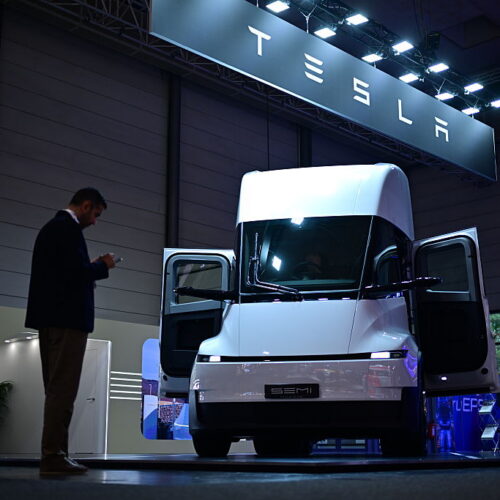
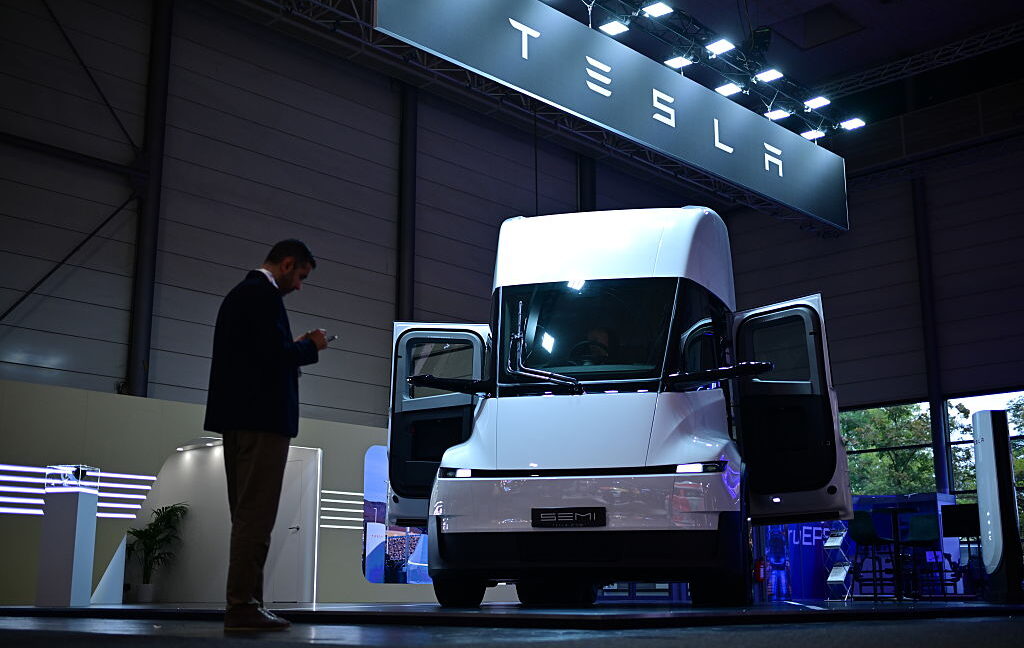
Tesla CEO Elon Musk has insisted investors think of his electric automaker as a robotics and autonomous vehicle company now. He’s targeted a $20 trillion valuation—nearly four times the value of market leader Nvidia—on that premise. But his Tesla team was in Sparks, Nevada, on Thursday to focus on, well, an electric vehicle: the long-awaited Tesla Semi.

The Semi concept first rolled onto a Tesla event stage in late 2017. Nearly a decade later, Tesla officially launched high-volume production at a livestreamed but invite-only event at the company’s factory. It targeted a niche audience: the cost-conscious people who manage large trucking fleets. A handful of them, all men, trooped across the stage to be thanked for their orders to a pulsing techno beat.

“It’s going to be, really, a driver’s truck. It’s like a sports car in truck form.” Musk said in a pre-taped video played during the evening event. (Musk, for years the ringmaster at Tesla’s circus-like events, skipped his second vehicle debut in a row; he was attending a White House China State Dinner featuring President Xi Jinping.)
Read full article

Comments

© picturealliance via Getty

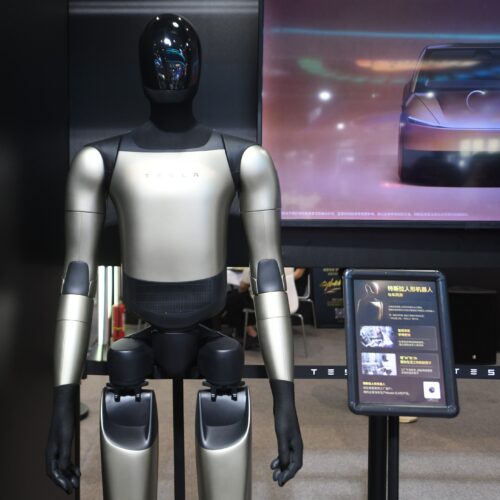
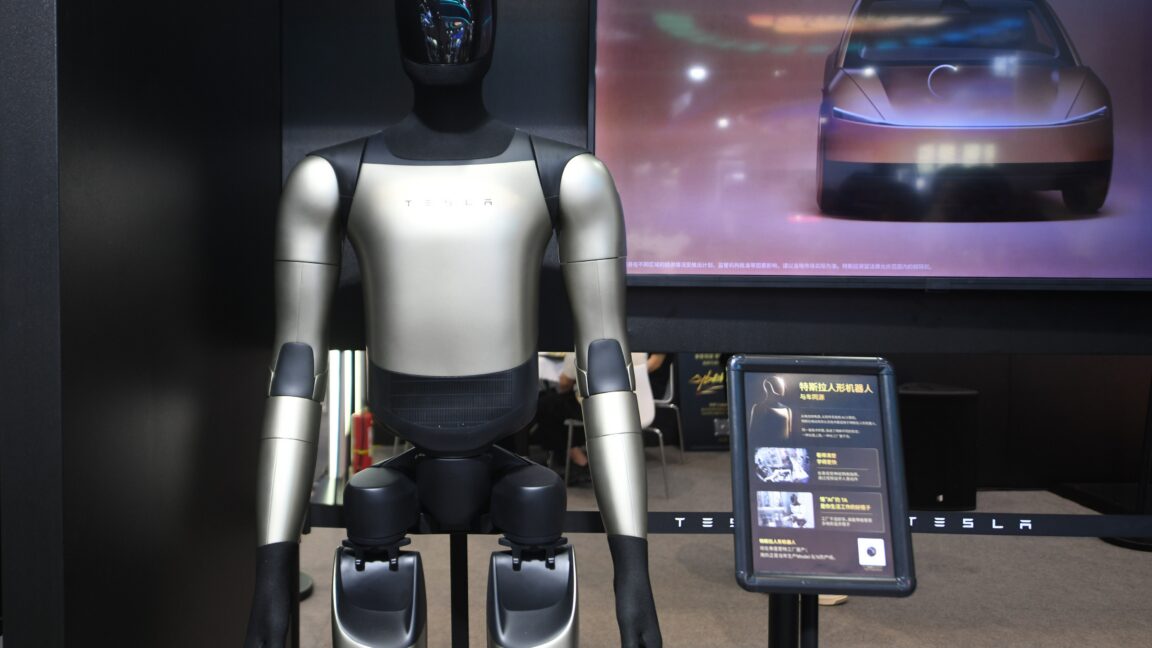
Tesla workers balk at training Optimus humanoid robots as replacements

Tesla’s pivot from making electric cars to humanoid robots is facing challenges because of complex robot hands and disgruntled employees pushing back against training their robotic replacements. The struggle to scale up production comes as Tesla CEO Elon Musk has bet the company’s future on AI and robotics.

As someone who frequently makes claims that fail to materialize, Musk has described the Optimus humanoid robot as potentially “the biggest product ever” during Tesla’s second-quarter 2026 earnings call. But he also acknowledged that making an autonomous humanoid robot capable of handling many different tasks is “one of the hardest things to solve”—and now extensive reporting by The Information has revealed multiple complications that Tesla is trying to tackle while developing general-purpose robots and scaling up for mass production.

Tesla’s Fremont factory in California has already stopped making the Model S sedan and Model X SUV as of May 2026, with the company switching both line workers and engineers over to working on Optimus, according to The Information.

Read full article

Comments

© CFOTO/Future Publishing via Getty Images

❌