An Estonian newspaper recently revealed that a British soldier disobeyed a direct order to remove the SIM card from his cellphone before being deployed to a part of Estonia, approximately 90 miles west of the Russian border.
As a result of his refusal to engage in this element of operational security (opsec), the soldier, Daniel Barton-Kennedy, had his phone hacked, and nude photos of himself were stolen and used as blackmail against him.
Eventually, Barton-Kennedy was court-martialed for disobeying a lawful command, pled guilty, was reduced in rank, and ordered to serve 10 months in detention.
Several tanker ships linked to Iran have been loitering over subsea Internet cables in the Gulf of Oman near the Strait of Hormuz—a possible indication that the Iranian government is preparing to attack such undersea infrastructure in response to any renewed US and Israeli strikes.
The movements of three sanctioned tankers and an Iranian fishing boat have been tracked near major undersea cables by the maritime intelligence firm Windward in October, according to the Financial Times. Six active cables currently cross through the contested Strait of Hormuz, linking the Middle East to Europe, Africa and Asia, with two more cables having segments under construction in the region.
Four countries, including Iraq, Kuwait, Bahrain and Qatar, depend entirely upon such subsea telecommunications connections running through the Strait of Hormuz chokepoint to link with the outside world. But other countries also depend heavily on the region's undersea cable network—one third of India’s westbound Internet traffic goes through the Persian Gulf and Strait of Hormuz.
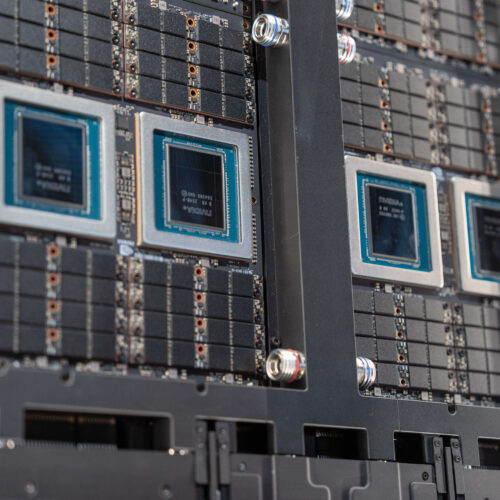
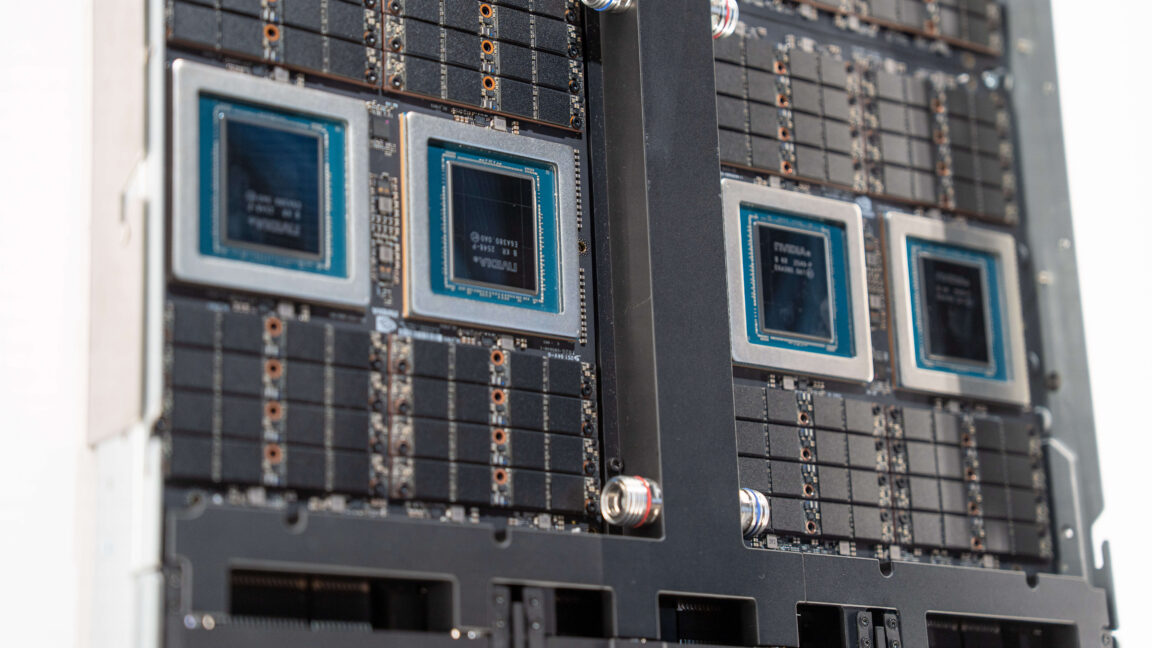
A shipment of Nvidia hardware valued at $11.4 million vanished in transport between Oakland and Texas over the summer, and more than two months later, police have announced no arrests or recovery of the cargo.
As reported by The Mercury News, six pallets of unknown Nvidia equipment left Oakland on August 29 on a truck bound for Fort Worth, Texas. The hardware was reportedly picked up as scheduled by a truck bearing the logo of a food transportation company before vanishing off the grid. The theft wasn't noticed until early September, when the buyers realized that the shipment had never been received. Police attempting to trace the truck's route found it had made several multi-hour stops after picking up the hardware before losing the truck somewhere in San Bernardino County, California.
Oakland police confirmed that there was a grand theft report filed on September 13 and that the investigation remains ongoing. Authorities have not said what Nvidia hardware was stolen or exactly how the theft was carried out.
Some Roku OS users have been sad to learn that their favorite screensaver will no longer be available as of December 1.
This week, affected users reported receiving an alert on their device that they will not be able to use the “Aquatic Life” screensaver after this month, as first reported by Cord Cutters News.
The screensaver has been an option for Roku OS users for 10 years. Roku has been licensing the animation, which is called the Marine Aquarium, from artist Jim Sachs through Prolific Publishing.
NASA has announced a new experimental aircraft, the X-70 Fractal, that will supposedly feature reconfigurable flight-control technology and a modular design for swapping in different payloads. But much remains unknown about the aircraft’s design and development timeline, even as NASA administrator Jared Isaacman said the X-plane could take flight within two years.
The mystery surrounding NASA’s newest X-plane was exemplified by the agency’s press release, including an apparently AI-generated image of the X-70, showing a dark silhouette vaguely resembling a military fighter jet obscured by smoke. The news was announced by Isaacman during the UP.Summit held at the agency’s Kennedy Space Center in Florida on November 4.
“The X-70 Fractal gives NASA a crewed, high-performance platform to test advanced flight-control, maneuverability, and other cutting-edge technologies in real flight,” Isaacman said. “Its modular design and ability to rapidly swap internal and external payloads will keep our teams flying, learning, and moving quickly from one experiment to the next.”
Sony has brought back the MDR-3-series headphones that debuted in 1979 alongside the Walkman TPS-L2 cassette player.
In this marketing image Sony shared, you can see the Walkman TPS-L2.
Credit:
Sony
Originally called the "MDR-3L2," the first Walkman headphones were known for their sleek, adjustable gray plastic headband, which extended via metal sliders and ended in signature orange, circular ear cushions. The lightweight, on-ear headphones are a contrast to the bulky headsets that are popular these days, which use wide, cushioned headbands for long-term comfort and large earcups that can support big drivers and are often heavily padded for noise isolation.
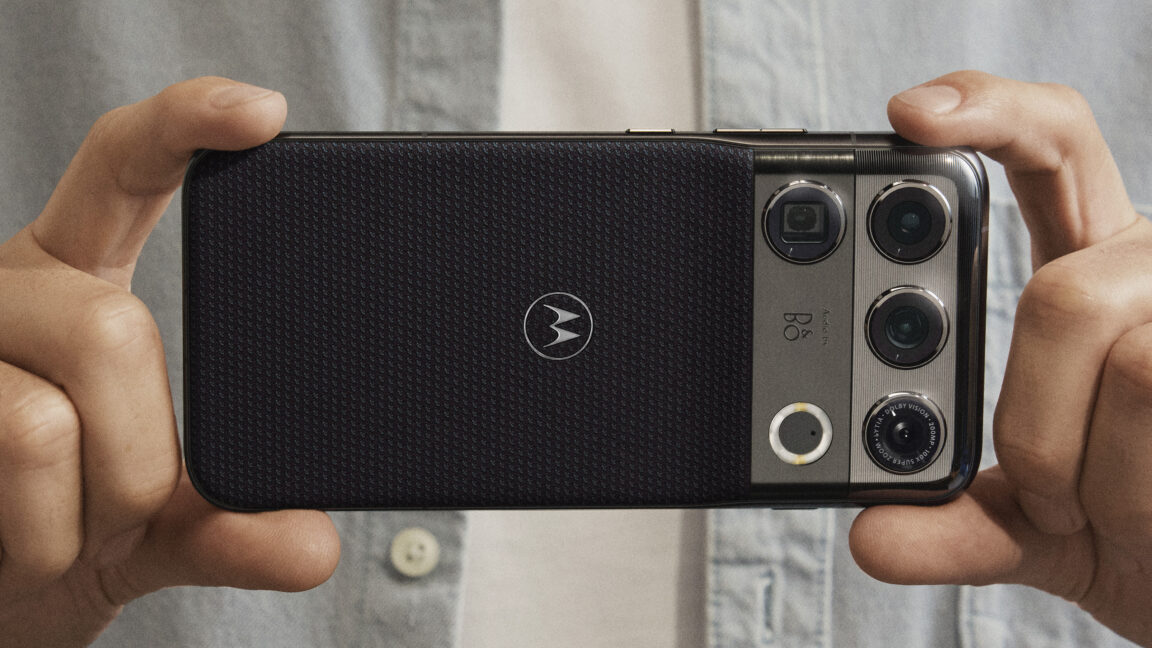
Motorola is patching a hole in its US lineup with a non-folding flagship phone, but the pricing puts this device dangerously close to the company's expensive tablet-style foldable. The long-rumored Motorola Signature 27 is real, featuring top-of-the-line specs, a super-bright OLED screen, and a ton of cameras. But all this high-end hardware won't come cheap in the age of AI. Motorola's new flagship smartphone will run a whopping $1,600 when it arrives later this month.
The Signature 27 is a new take on flagship smartphones from Motorola, leaving behind the middling legacy of the Edge series. However, you'll still immediately clock this as a Motorola device due to its distinctive use of materials and Pantone colors. The phone is metal, ceramic, and glass, but the backs are textured polycarbonate. The device comes in Coal Smoke (black) or Capulet Olive (green) colors. The former has a "tactical weave" finish inspired by automotive design, and the latter is "textile-inspired."
This device will include the Snapdragon 8 Elite Extreme Gen 6, the most powerful mobile chip Qualcomm offers right now. While some smartphones have flirted with 16GB of memory, that's less common these days. The Signature 27 will have 12GB like Samsung's base model flagships. However, there's not going to be an upgrade option for more. You will, however, get a generous 512GB of storage.
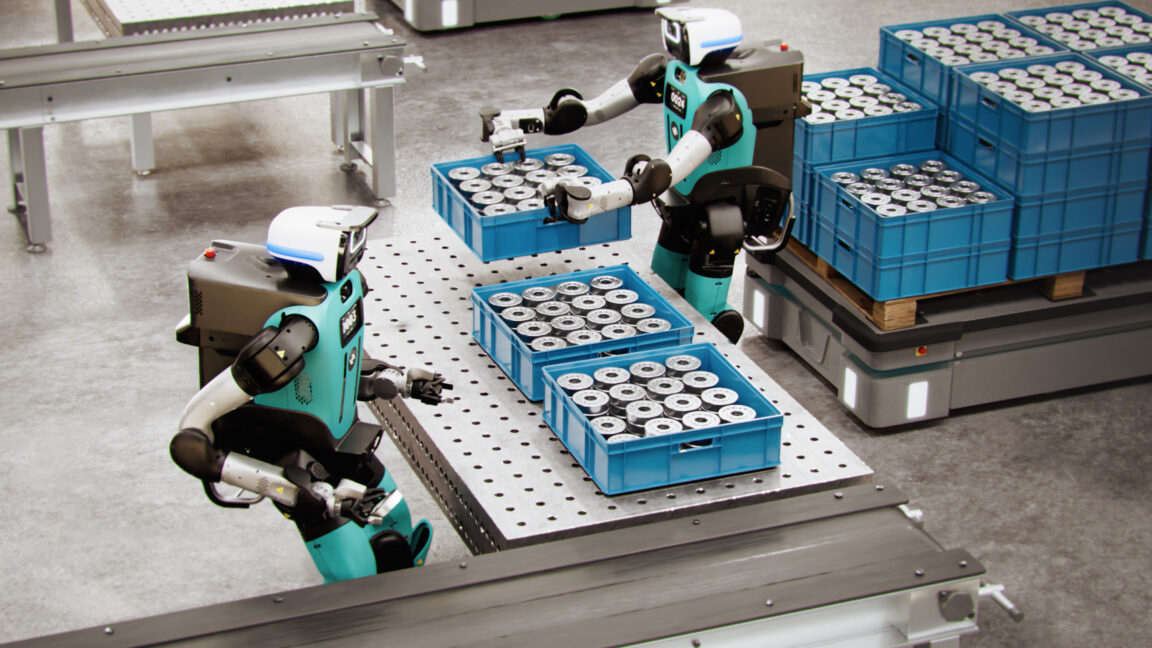
Humanoid robots remain unproven at scale and have not yet achieved widespread commercialization, compared with industrial robots that have decades of proven track records in warehouses and factories. That frank acknowledgment is among the risks outlined in a securities filing by Agility Robotics—the first dedicated developer of humanoid robots to become a publicly traded company in the United States.
The robotics company, headquartered in Salem, Oregon, previously became the first to achieve full-time commercial deployment of humanoid robots at a customer warehouse in 2024. Now, Agility’s public listing on the Nasdaq stock exchange as of November 5 has come with financial disclosures detailing how the company plans to build a business around renting out or selling humanoid robots to perform manual labor.
“When we are doing robots as a service, it is much lower risk for customers to use it because they are getting a return on investment on day one,” Jonathan Hurst, co-founder and chief robot officer at Agility Robotics, told Ars. "Because they're paying a rate that is comparable to the human labor rate, and that makes the economics pretty straightforward.”
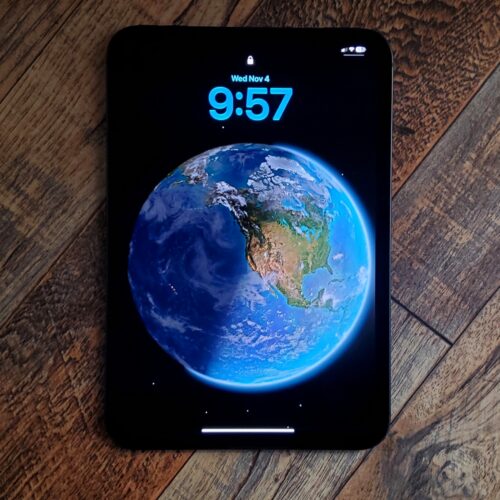
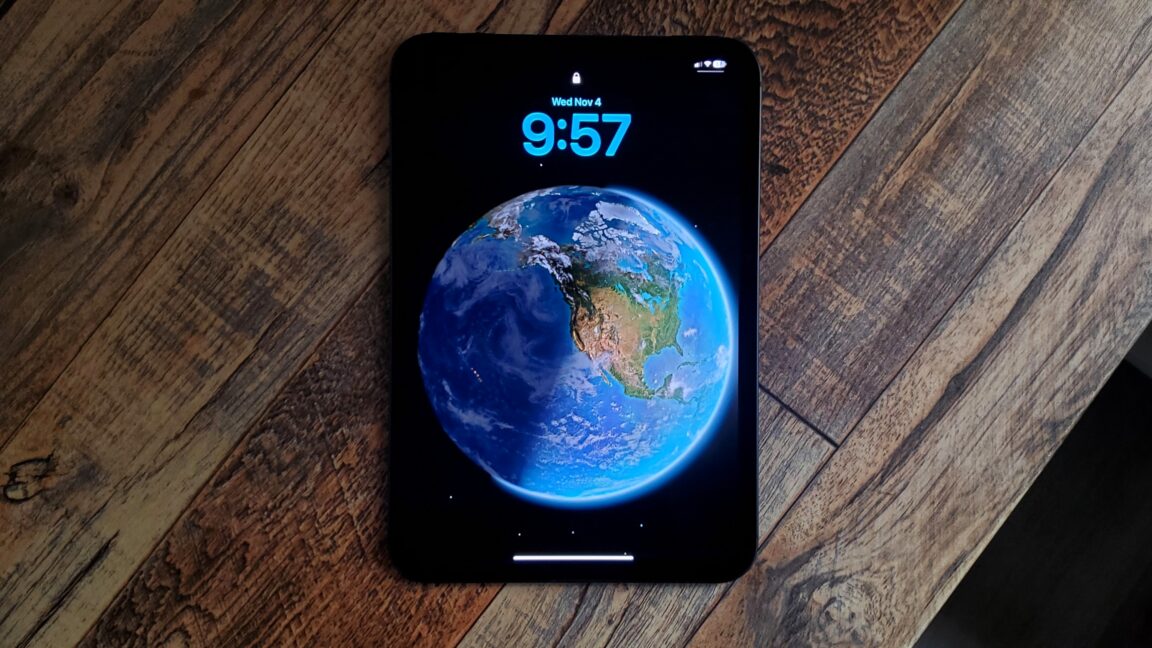
The iPad mini has long felt like a niche product. It has earned a reputation as a quality tablet for people who want something small, comfortable, and portable, but its small screen and comparatively limited processing power have restricted its appeal, making it best suited to watching media or playing games.
With the 2026 version, the iPad mini is more competitive than ever. Its chip is current, its speakers are better, and, most impressively, it trades its 8.3-inch IPS screen for an 8.5-inch OLED that can hold its own against other premium tablets. There isn’t much more you can ask of an iPad this small.
But at just $50 less than the larger, more powerful iPad Air (11-inch), the iPad mini still has a hard time making a case for itself.
AMD reported third-quarter revenues on Tuesday with a record $13.4 billion, an increase of 45 percent year over year, as data center business nearly doubled and the company's gaming segment cratered.
AMD CFO Jean Hu said, "We expect revenue to be approximately $17 billion, plus or minus 3%. The middle point of our guidance represents approximately 66% year-over-year revenue growth, primarily driven by the acceleration of our Data Center segment." AMD says its Q4 revenue projections are up another 27 percent from this quarter's results. As reported by Tom's Hardware, Intel's Q4 guidance places revenue estimates between $15 billion and $16 billion. That means that if both companies land where they expect to at the end of the fourth quarter, AMD would exceed Intel's revenue for the first time in history.
The data center segment of AMD's business was up 97 percent year over year, with a record $8.5 billion. AMD attributes the growth to demand for its EPYC line of enterprise server CPUs, along with the launch of the Instinct MI450 series GPUs. Sales of AMD Ryzen mobile chips led growth in the Client business, which includes desktop Ryzen processors and posted $2.95 billion in revenue, up 7 percent year over year.
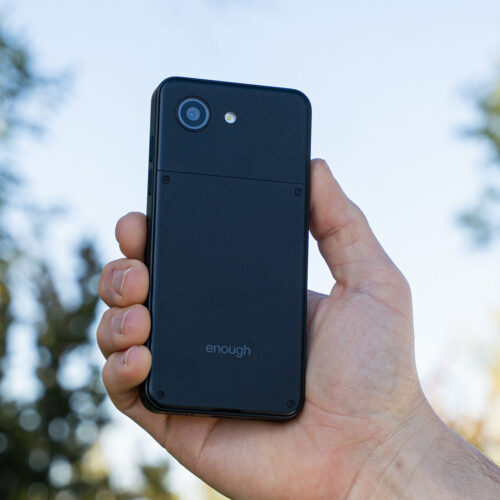
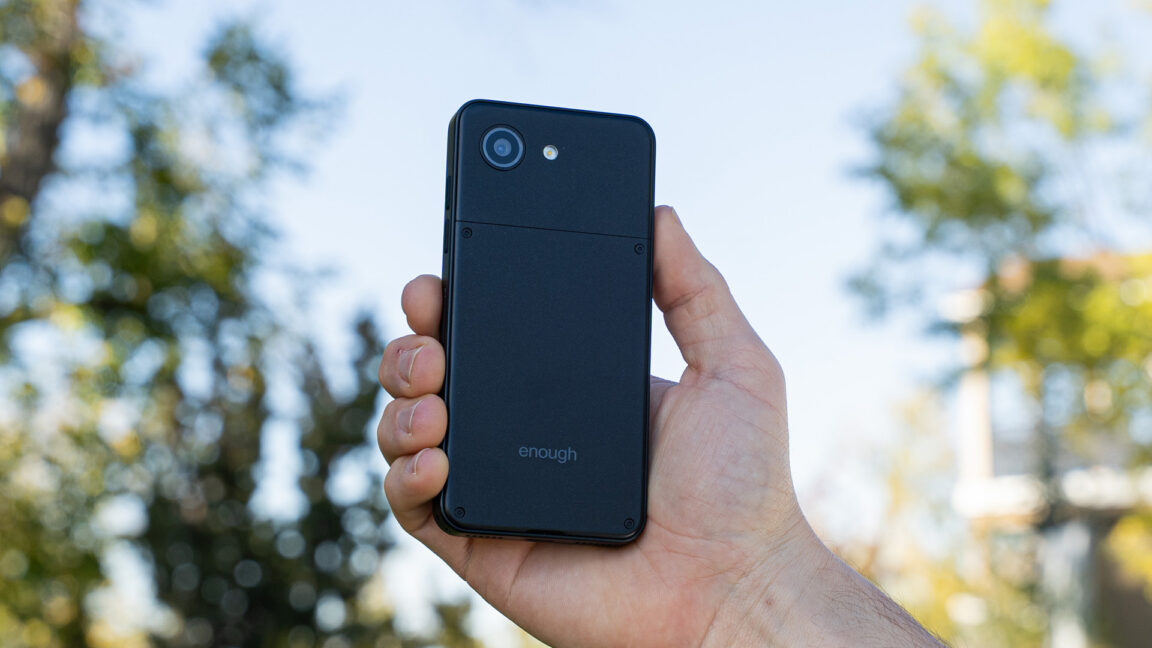
The first modern smartphones had 3.5-inch screens, which can be hard to remember in today's world of gargantuan glass slabs. Sure, people talk about wanting smaller phones, but will they buy one? Enough Phone is betting they will. The company will begin taking preorders for its first device today, which is built around a petite 5.3-inch screen that is apparently the smallest it could find with decent performance metrics.
The company's cheeky name is reflected in its approach to phone design. A flagship killer this is not, but it's probably "enough" for most people. It has a mid-range MediaTek processor, a single rear-facing camera, a polycarbonate body, and a fingerprint sensor in the power button.
Specs at a glance: Enough Phone ($399 for a limited time, $599 MSRP)
SoC
MediaTek Dimensity 7500
Memory
8GB
Storage
128GB with microSD
Display
5.3-inch 1520x720 HD+ LCD
Cameras
Sony IMX766 50 MP, 32 MP selfie
Software
Android 17 or OdysseyOS
Battery
3500 mAh (removable)
Connectivity
5G, LTE, Wi-Fi 6, Bluetooth, NFC, SIM+eSIM
Measurements
133×64×12 mm
With that compact screen, the Enough Phone will be dwarfed by almost every existing smartphone. While it's a bit thicker, the device has almost the same footprint as the iPhone 13 Mini. Thinness takes a hit, as the designers have opted to make the battery user-replaceable. Like the Fairphone, you'll just have to remove a few screws to get the back cover off.
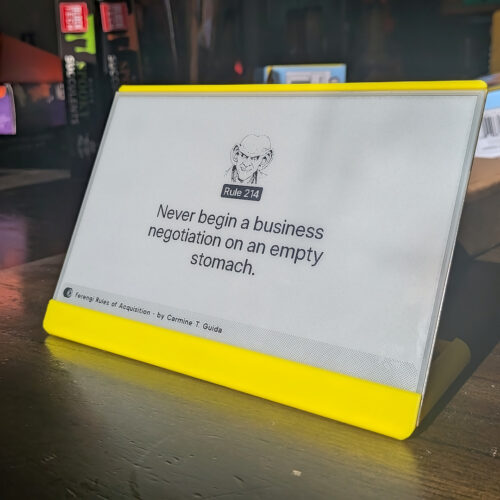
One of the most useful gadgets in my kitchen is now a screen that never asks me for anything.
I recently bought a $48 DIY display kit from Seeed Studio (yes, that's three E's), developed in collaboration with TRMNL, that lets me display whatever I want, using whichever software ecosystem I prefer.
I previously built something similar by modding a Lenovo ThinkSmart View, which was selling for around $30 on eBay during a liquidation. The Lenovo device was only ever intended for business-to-business video, but it does a decent job of running a fork of LineageOS. Unfortunately, its limited RAM makes it sluggish. So when I came across the TRMNL kit and its e-paper display, I was sold.
Boom Supersonic CEO Blake Scholl recently declared “it’s time for a renaissance in energy and in supersonic flight” as the supersonic airliner company unveiled a Colorado factory dedicated to making gas turbines for AI data centers. But Boom may be facing turbulence after early backers for both ventures have questioned the company’s delivery timeline or backed out entirely.
One of the company’s first customers, United Airlines CEO Scott Kirby, has expressed doubts about Boom’s original plan to deliver the first Overture supersonic airliner in 2029. Kirby’s latest frank assessment came during an interview with the Office Hours: Business Edition podcast that appeared on October 28, 2026.
“‘29 is their official timeline,” Kirby told podcast host Monica Langley. “It’s not going to happen in ‘29—it’s going to take longer.”
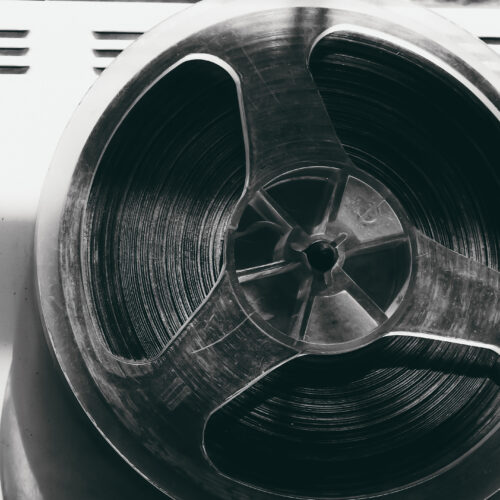
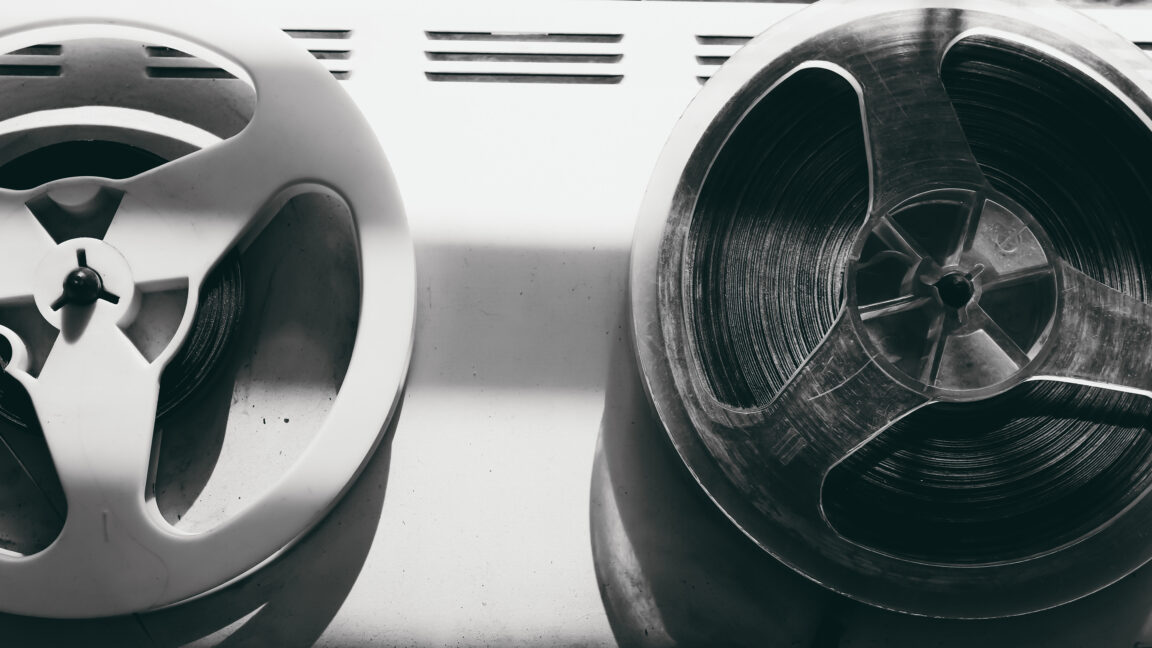
In an announcement released Thursday, Fujifilm said it will invest roughly 10 billion yen (about $63 million) to increase its production capacity fivefold for an unlikely beneficiary of the AI era: magnetic tape.
Fujifilm attributes the surge in archiving demand to the spread of generative AI, which the company remarked is producing "exponential growth" in data needs worldwide. The 5x increase in production capacity will be measured against fiscal year 2025 production levels.
The investment in Fujifilm's Kanagawa Factory, Odawara site will make it "the largest investment Fujifilm has made to date in dedicated LTO tape facilities." The project will run from fiscal years 2026 through 2028 to fund manufacturing expansion and additional personnel, primarily to produce the latest-generation "FUJIFILM LTO Ultrium10" tape.
In 2015, biomedical entrepreneur Elizabeth Holmes was Silicon Valley's golden girl, lauded as the youngest and richest self-made female billionaire thanks to the company she founded, Theranos, which was valued at $9 billion at the height of its success. Then it all came crashing down when accusations of fraud surfaced about the company's signature blood-testing device, culminating in a sensational trial. Holmes was convicted on four counts and sentenced to 11 years in prison.
Holmes is back in the headlines thanks to a new film, You Can See Everything, which depicts the final days before Holmes, having exhausted her appeals, went to prison. Co-directed by Nathan Fielder and Lance Oppenheim, it's a surreal, absurdist piece that has largely been received with gushing enthusiasm and no small amount of hype, with some declaring it the best film of the year. A few contrarian voices have emerged over the past week with much-needed reality checks, but there's no denying the film is destined to be an awards-season darling.
Pardon me for joining the buzzkills, but I cannot in good conscience jump on the You Can See Everything bandwagon. Sure, it has its moments, and the second half is highly entertaining, but there's nothing here to warrant all the breathless hyperbole. For all their much-touted access, Oppenheim and Fielder have produced a surprisingly shallow film that runs in circles, yielding very little fresh or novel insight—into Holmes, personally, or much else.
In the future, you won’t be able to use Reddit without logging in.
Reddit CEO Steve Huffman confirmed the impending change in a letter (PDF) to shareholders today about Q3 performance. He said that Reddit is shifting “to a logged-in-only experience," adding:
Moving to primarily logged-in will ensure our users have the best Reddit experience possible, and can find the content and communities most relevant to them. It is better for our business because we will have more signals for ads targeting, and being logged-in leads to higher engagement generally. It also allows us to protect access to Reddit’s extremely valuable corpus of data, and helps us better adapt to emerging regulations around the world.
Huffman also said that the login requirement will help Reddit better retain new users.
Microsoft is beginning the rollout of a Windows 11 preview update that finally addresses a persistent power user complaint with the operating system: the right-click menu that obliterated years of muscle memory on command locations and hid others behind an additional click. The timing is notable, as the announcement comes alongside Microsoft's quarterly financial report, which showed a continued decline in the business of selling Windows licenses for new PCs.
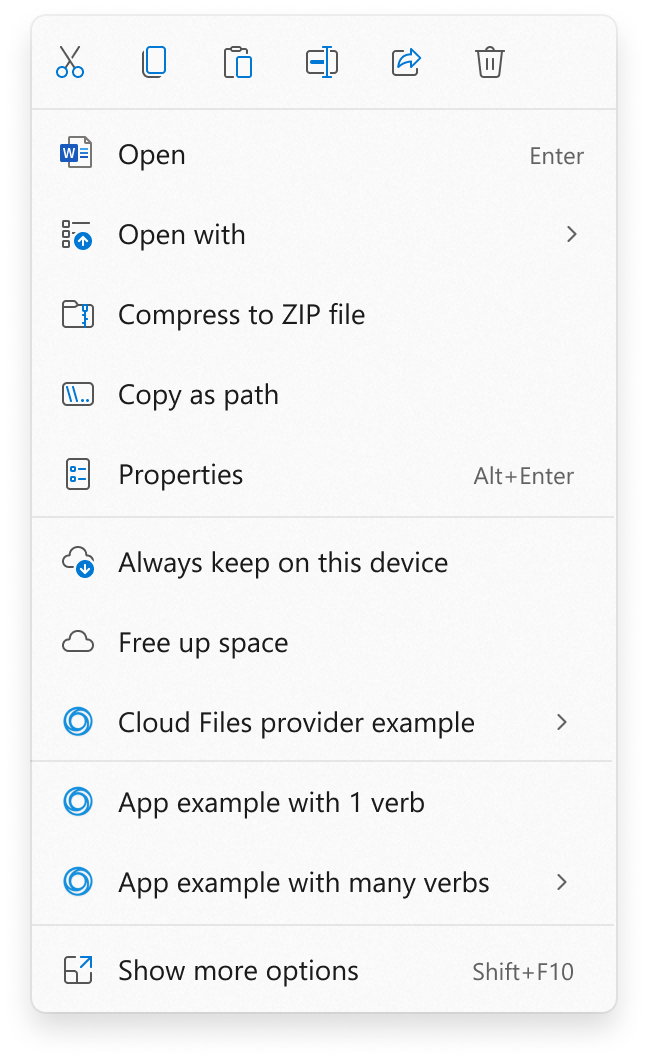
The preview update, KB5127936, is cumulative for Windows 11 versions 26H2 and 25H2. The update will be a gradual rollout before eventually moving on to a normal rollout for all Windows 11 devices once it reaches general availability. The highlight of the new update should calm annoyed users who have spent years with custom scripts and services in an attempt to shape Windows the way they would prefer it. Users will get a "customize menu" button that controls what commands appear when they right-click their mouse. Users can toggle built-in commands such as Send To or Create Shortcut on or off, rearrange what appears on the main menu, and control which third-party extensions show up in either the main or submenus. The gripe with the right-click menu had been that Microsoft hid familiar command locations behind a top row of icons while moving other familiar commands under the "Show more options" submenu. Now, Windows users can customize the whole thing around their habits.
The original Windows 11 right-click menu is a mess.
Credit:
Microsoft
The new preview also highlights a new Windows feature called Cloud Rebuild, a recovery option that can reinstall Windows 11 directly from the cloud, even when an existing Windows 11 fails to boot. Cloud Rebuild will pull the Windows 11 image and needed system drivers directly from Windows Update. Users will not need a custom recovery image or external media to reinstall Windows. There is an important distinction to note, however. Microsoft classifies Cloud Rebuild as a recovery option, but it behaves more like a fresh Windows install than a repair, as existing applications and files will not be included. Those worried about data security can sanitize entire system drives prior to reinstalling. For a full list of improvements coming to Windows 11, including changes to Xbox mode and settings, you can view the official Microsoft release announcement.
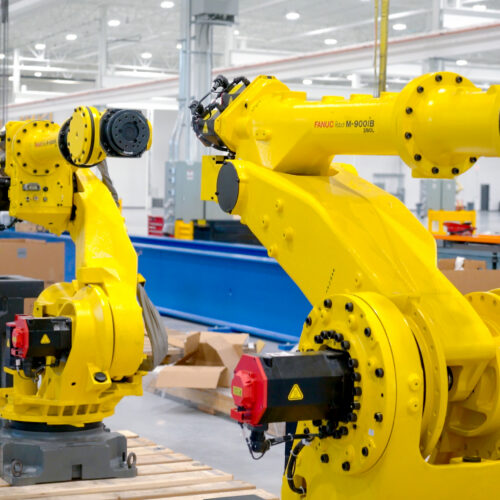
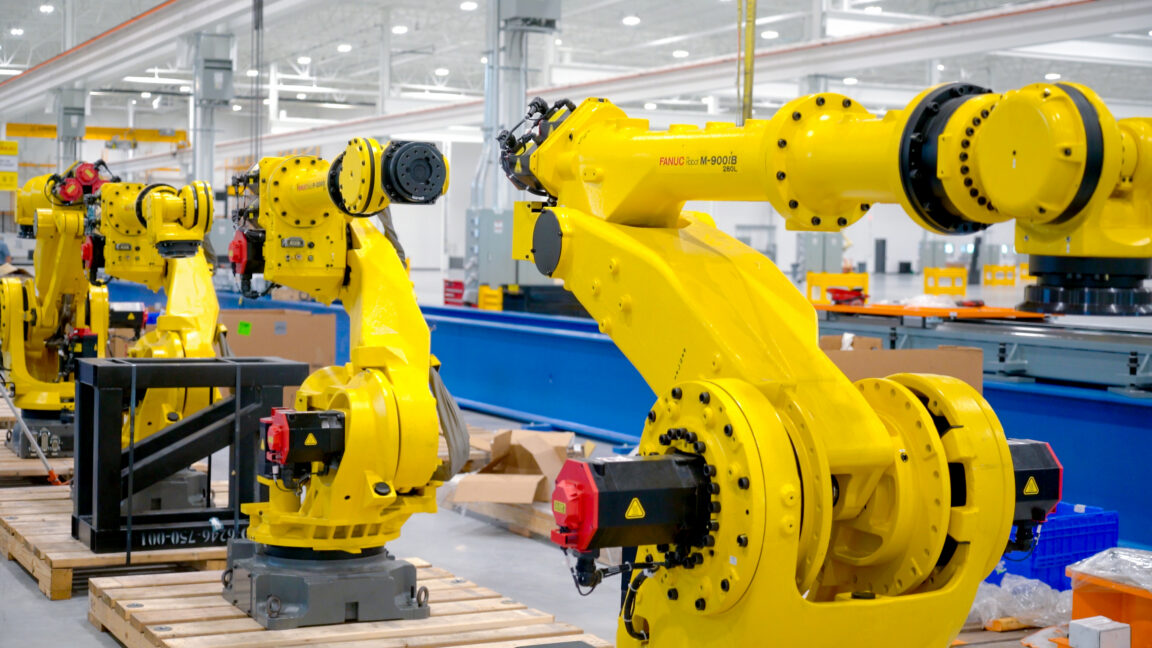
President Donald Trump has declared the imports of foreign-made factory robots to be a national security threat—ordering new US negotiations with trading partners while holding out the possibility of imposing new tariffs on such robot imports in the future.
Issued on October 28, Trump’s presidential proclamation represents heightened government scrutiny of foreign-made industrial robots that could complicate the manufacturing operations of major US corporations that rely on such robots. Those companies include Detroit automakers General Motors and Ford, electric vehicle manufacturer Tesla, and aerospace and defense giants like Boeing and Lockheed Martin.
Trump’s proclamation describes industrial robots and machinery as being crucial for producing US military weapon systems along with representing a “driving force” behind all critical infrastructure sectors within the US economy. The proclamation cites an investigation under US Secretary of Commerce Howard Lutnick as having found that US imports of such robots “poses risks to the United States industrial base and threatens the long-term competitiveness of the United States in a sector that is increasingly vital to national security.”
Google parent Alphabet reported its Q3 financial results on Wednesday afternoon, showing a healthy rise in revenue for the months of July to September. But the company's stock price has taken a beating, marking one of the largest post-earnings drops in its history. It comes down to several troubling aspects of the new report, including an admission by the company that AI search isn't earning as much as organic search, and despite that, Google expects to spend even more on AI next year.
The company took in almost $128 billion in Q3 2026, earning more than $26 billion in net income. These may sound like good numbers, but financial markets are not impressed. While revenue is up 25 percent versus last year, net income is almost $9 billion lower. As of this story's publication, the stock price is down almost 12 percent, and it was down about 13 percent earlier in the day.
While revenue was up 25 percent year over year, analysts expected more. Google reported earnings per share of $2.12, but the consensus projection ahead of Wednesday was $3.02. Google's Cloud products actually beat expectations, crossing $30 billion in revenue. That's about a billion more than analyst guesses.
The European Union plans to create the first subsea Internet cable directly connecting Europe to Greenland. The Pan-Arctic Cable project could also extend to Canada and eventually link with Japan and South Korea, notably bypassing the United States.
The Pan-Arctic Cable is described as a European Union flagship project in a European Commission joint communication published on October 20, 2026. The policy document describes a new European strategy for the Arctic that supports “a sovereign, secure and resilient submarine cable connection linking Greenland directly to the EU,” while also suggesting that “like-minded partners like Canada” could provide a stepping stone for future cable expansion toward Asia.
“It is interesting that this project is even being considered, because five years ago it would have seemed like not a particularly commercially attractive proposition,” Elisabeth Braw, a senior fellow at the Atlantic Council who leads the Threats to the Global Maritime Order Initiative, told Ars. “But the fact that it's being considered is very much on trend and a sign of our times.”

 Login









 In this marketing image Sony shared, you can see the Walkman TPS-L2.
Credit:
Sony











 The original Windows 11 right-click menu is a mess.
Credit: