❌

Reading view

There are new articles available, click to refresh the page.

F1 in Bahrain... in Malaysia: The race needed a software update to start

Well, it’s safe to say no Bahrain Grand Prix has been affected by torrential rain quite like the 2026 race.

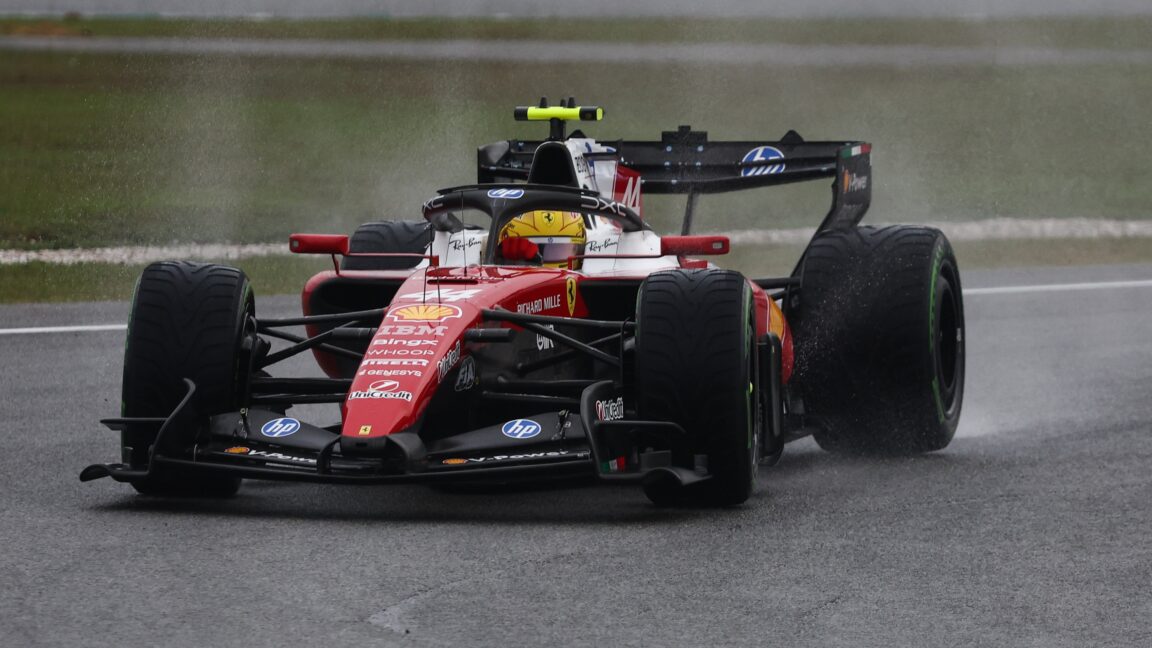
For one thing, it was held several thousand miles from Bahrain itself. The ongoing war with Iran ruled such things out, so the Sepang International Circuit in Malaysia stepped in to fill its spot. One of the best examples of a late-'90s “Tilke track”—named for its designer, Herman Tilke—it’s characterized by a couple of long straights and the always-brutal tropical weather that provides one of the toughest physical challenges on the calendar. And this weekend was no exception.

Heavy rain arrived about half an hour before the start time, delaying things significantly. Although the sport has two different kinds of treaded tires for use in the rain, the full wet tire generates so much spray, and such slow lap times, that it's essentially only useful for circulating behind the safety car. If it’s wet enough to need it, it will be too wet to see where you’re going. The intermediate tire, by contrast, has much shallower grooves and is good for racing on damp but not soaked tracks, although it quickly overheats and degrades as the track dries.
Read full article

Comments

© Jakub Porzycki/NurPhoto

F1 in Azerbaijan: That was almost a close-run thing

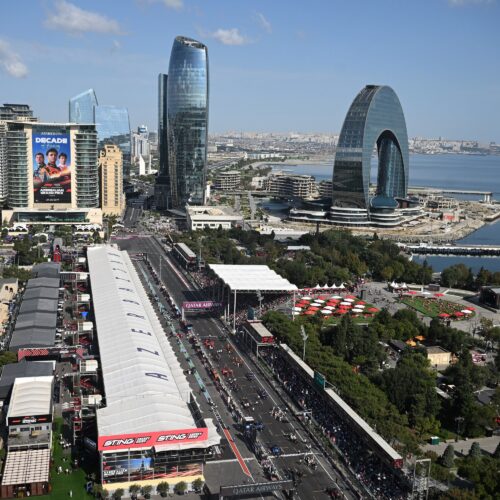
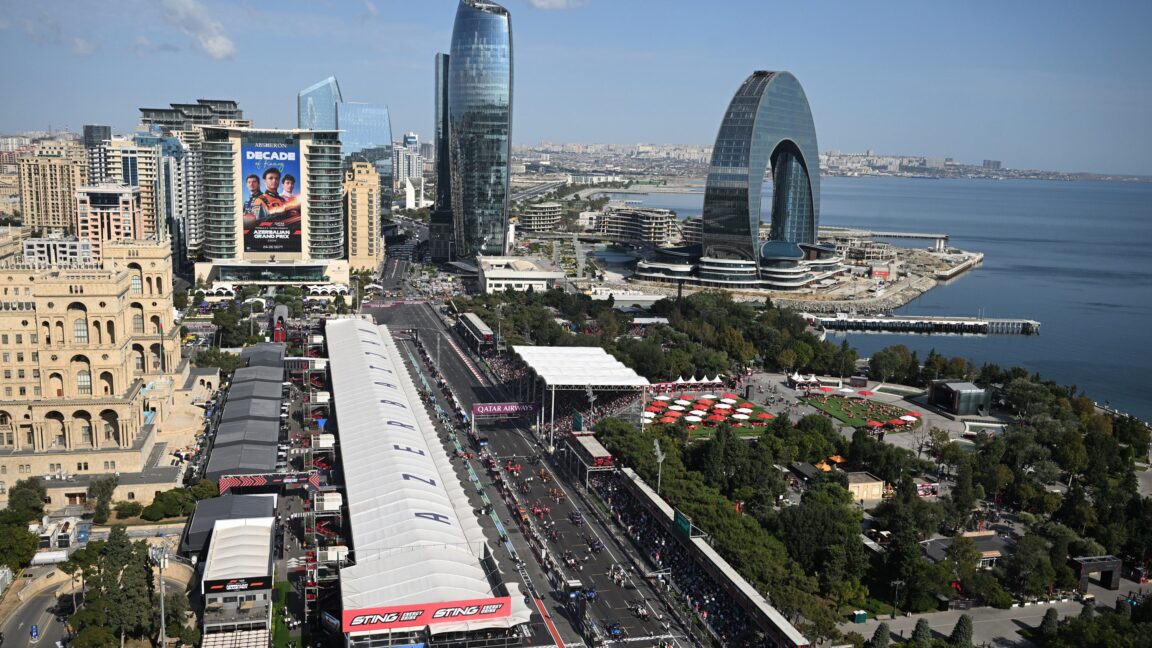
Formula 1 raced on the streets of Baku, Azerbaijan, this past weekend. Although the race predates Liberty’s acquisition of the sport by a few months, it’s a rather good microcosm of the sport as it exists today. The track is a real challenge; it takes place on dusty city streets lined with concrete walls and through a medieval fortress gate, followed by a 1.4-mile (2.2 km) flat-out blast to the finish line, with gusts of wind from the Caspian Sea a block away. It’s interesting to look at Baku’s mix of modern and classical architecture sharing the stage with a massive hospitality and pit lane complex. And since it wouldn’t be F1 without some controversy, this year the race was held a day earlier than normal after F1 switched up its schedule to avoid clashing with Azerbaijan’s celebration of its recent war with Armenia—it’s almost as if Bernie Ecclestone had never left.

The proximity of the walls leaves very little margin for error at the speeds F1 cars go around Baku. Last year, qualifying was interrupted by no less than six red flags after crashes. This year was much less dramatic, unless you were championship leader Kimi Antonelli. The 20-year-old sophomore misjudged how much front grip he had going into turn 1, found more than expected, and clipped the corner of the wall with his left front tire. It happened in the first of the three knockout qualifying sessions, and while Antonelli had already banked a time good enough to proceed to the next session, the damage to his car meant he would take no further part and start the race from 16th.

A few weeks ago, at Monza, penalties for a power unit change saw Antonelli start the race from even further back (19th), which he followed a day later with a spectacular drive through the field to take the win away from his teammate George Russell. But there was some luck involved then; two standing starts (the second following Leclerc’s big crash on lap 2) allowed him to pass a lot of cars quickly, for one thing. In Baku he would have a much tougher task.

Read full article

Comments

© Mark Sutton - Formula 1/Formula 1 via Getty Images

❌