❌

Reading view

There are new articles available, click to refresh the page.

Statehouse wins give Democrats new power to push clean energy

Before Tuesday’s election, Republicans held more governorships and state legislative seats than Democrats, along with an advantage in state trifectas—unified control of the governor’s office and both chambers of the legislature.

That advantage has disappeared, clearing the path for more climate and clean energy legislation, according to analysts and advocates.

Democrats swept the vast majority of competitive races at the state level, flipping control of governors’ offices from Republicans in Georgia, Iowa, Ohio, Nevada, and Texas.
Read full article

Comments

© Ryan J Lane

Turning a solar power system into its own backup

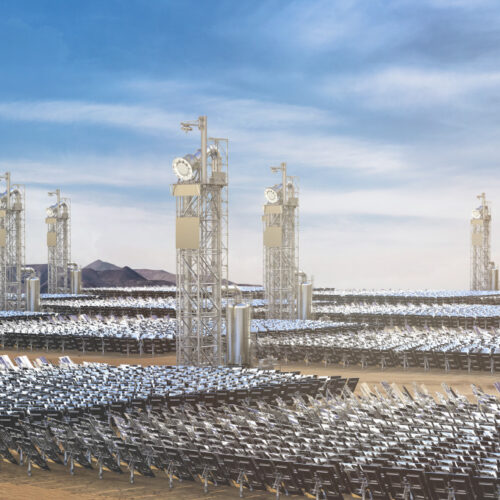
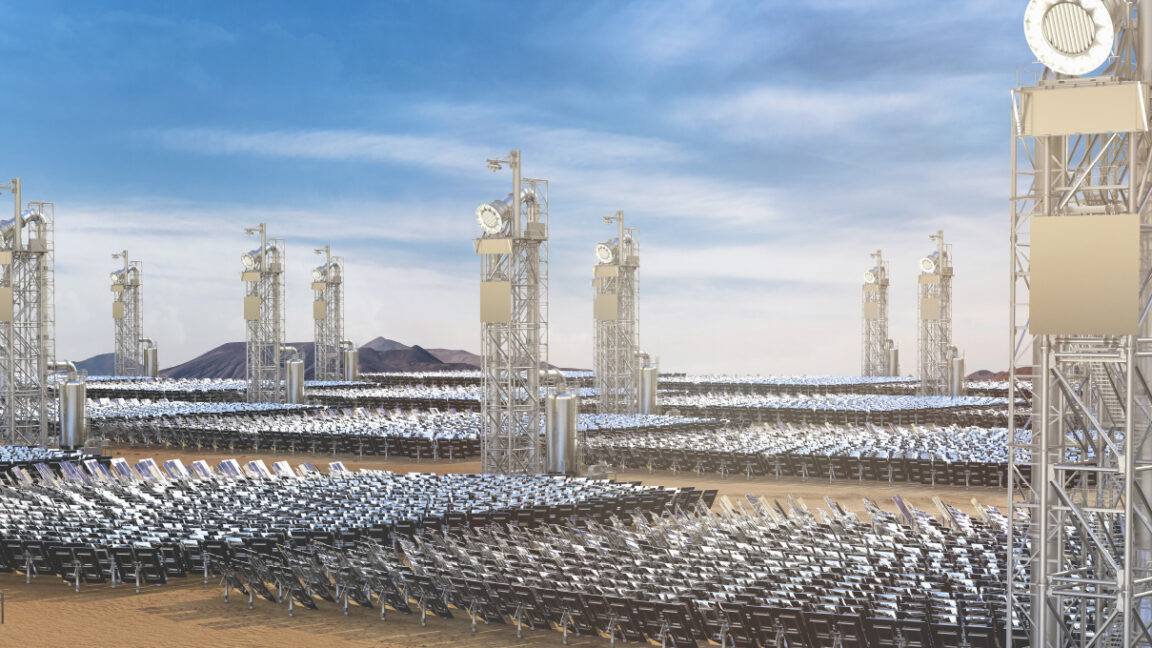
Rather than directly converting photons into electricity, concentrated solar energy uses mirrors to turn sunlight into heat, which can then be used to drive traditional generating turbines. Up to about a decade ago, there was a case to be made that concentrated solar energy had a bright future, as improvements in heat storage had turned it into a way to generate power around the clock.

It wasn't to be. While concentrated solar costs fell enough to compete with nuclear power, the price of photovoltaics plunged, making solar panels the cheapest source of power in most locations. Currently, if you have a good site to generate solar power, then the economics of PV panels are hard to beat.

That has left us needing to build a mixture of other facilities—typically batteries and natural gas facilities—to handle overnight needs or weather-driven shortfalls. But a small company is promising that it can help avoid the need to build a separate facility. Its version of concentrated solar is designed so that a fossil-fueled backup system shares most of the generating hardware with the solar side.

Read full article

Comments

© 247Solar

Startup taps underwater volcano as energy source in "proof point" test

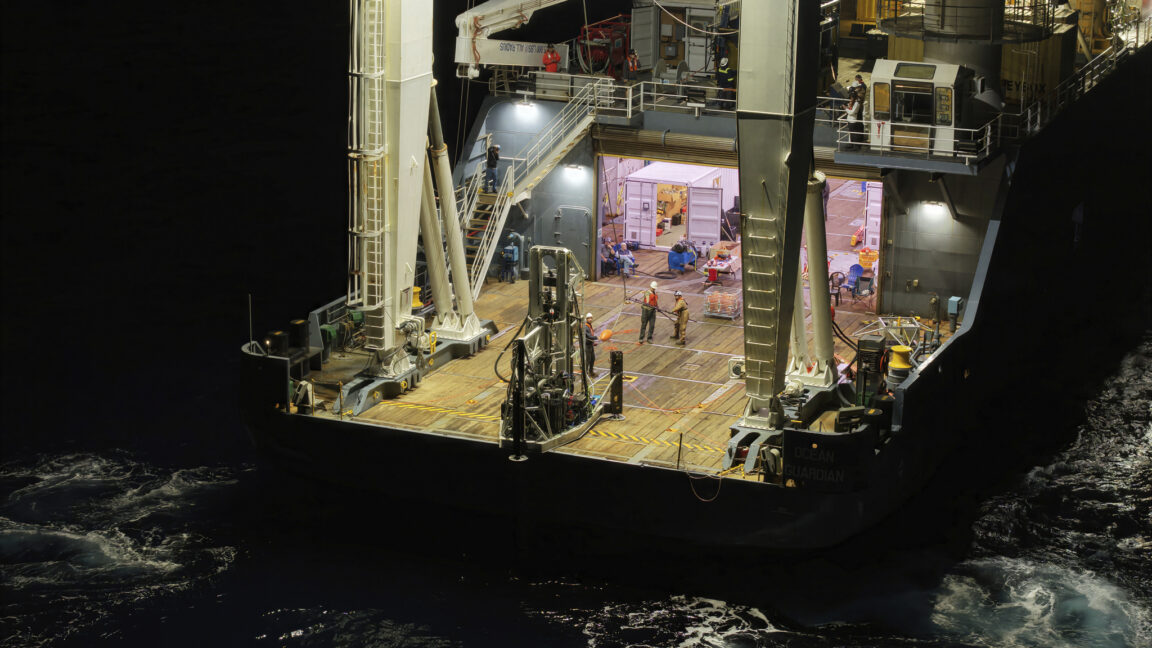
The world’s first demonstration of a subsea geothermal power plant has taken place near an active underwater volcano almost a mile below the ocean surface. It generated less than 10 seconds of net-positive electricity but showed the technical feasibility of tapping another form of renewable energy underwater.

The three-week test deployment of the 3-ton prototype power plant took place at the Axial Seamount in the northeast Pacific Ocean in September. Endurance Energy, the Seattle-based startup behind the effort, aims to eventually commercialize subsea geothermal power for Pacific island nations and other customers looking for alternatives to importing expensive fossil fuels.

“The deep ocean gives us unlimited cold seawater for cooling, and its weight keeps the system and the well pressurized, so our plants can be compact,” said Andrew Redd, founder and CEO of Endurance Energy, in an email to Ars.

Read full article

Comments

© Endurance Energy

❌