
 Login
Login
T. rex teeth indicate it ran as warm as an elephant
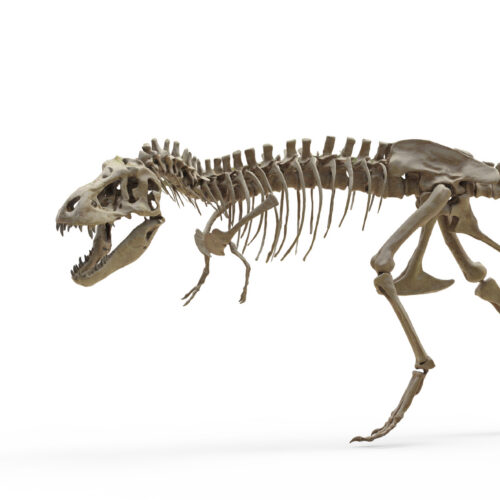
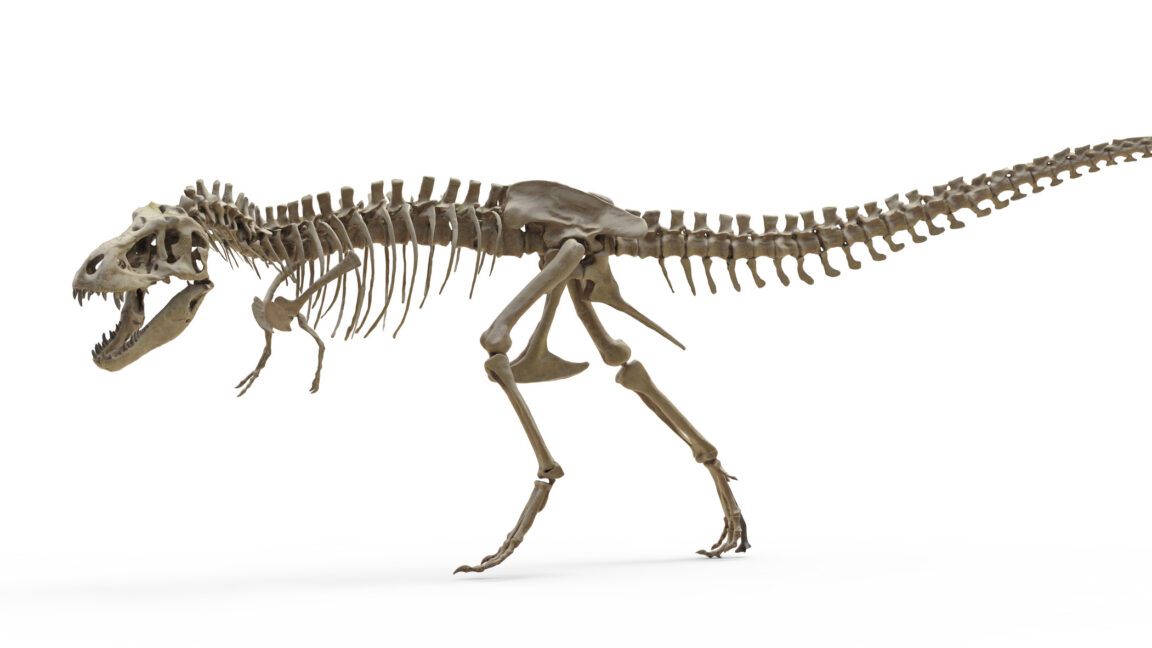
For most of the last century, T. rex was pictured as a sluggish, tail-dragging reptile that had to warm up in the sun before it could go anywhere. Then, further research changed that view, replacing it with the active, bird-like animal shown in the movie Jurassic Park. But whether T. rex used warm blood to power that activity remained a question. Now we might have gotten closer to an answer.
A team of researchers led by Randon J. Flores and Robert A. Eagle, geochemists at the University of California, Los Angeles, has measured the T. rex body temperature by analyzing its teeth. This dental thermometer read about 36° Celsius—roughly the body temperature of a modern elephant.
Dental thermometry
Paleontologists have long argued about dinosaur physiology based on indirect evidence like bone microstructure, growth rates, and where fossils turn up on the map. Some studies suggested many dinosaurs were endotherms, generating their own body heat like birds and mammals. Others argued that each lineage may have had its own thermal strategy.
© duoogle