Reading view

There are new articles available, click to refresh the page.

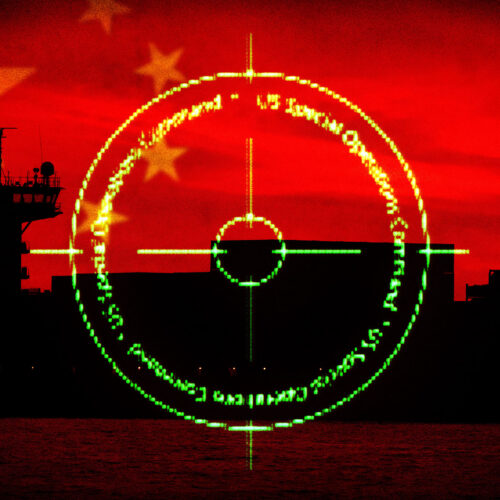
AI hallucination of Chinese nuclear components almost led to US military attack

The US narrowly avoided boarding a Chinese ship based on an "entirely false" US intelligence report generated with the help of AI tools, according to a CNN report.

That erroneous intelligence, submitted by a US Special Operations Command analyst, suggested the Chinese ship was transporting nuclear arms program components through the Middle East, according to "four sources familiar with the episode" cited by CNN. The US military was preparing to intercept and board the ship, with air support, before officials discovered a chatbot used in generating the report had "inaccurately identified the material the ship was carrying."

One source told CNN the AI-powered fiasco "almost started a war."
Read full article

Comments

© Aurich Lawson | Getty Images

FAA tees up $875M AI tool to help manage air traffic congestion

An AI tool is set to start advising air traffic controllers on managing air traffic in the congested airspace above the Washington, DC, area. The expected launch would be the first step toward a planned nationwide rollout covering the 29 million square miles of US national airspace overseen by the Federal Aviation Administration.

The FAA describes the SMART system as using AI models to predict air traffic flows and identify potential conflicts based on operational factors like airline schedules, weather, airport capacity, and airspace conditions. US government and industry officials told The Wall Street Journal that SMART could debut for the three major airports in the Washington, DC, area as soon as Monday, September 21.

The decision to launch SMART in a limited scope before going nationwide is the “right call,” said Philip Mann, principal consultant at Vector Strategic Consulting LLC, where he advises on aviation safety and AI governance. Mann previously worked at the FAA in multiple roles for 17 years.

Read full article

Comments

© Andrew Harnik/Getty Images

US government website used Chinese model the FBI called "malicious"

On Wednesday, US government officials removed a Chinese AI search tool that was briefly deployed on the Federal Register website, Reuters reported.

The change came after social media users noticed an apparent contradiction: The National Archives was using one of Alibaba’s Qwen AI models, even as top US law enforcement claimed that such models illegally copy US frontier models. Earlier this month, the Federal Bureau of Investigation (FBI) named Alibaba among six leading Chinese firms allegedly conducting “industrial-scale distillation” that the agency says is helping America’s biggest competitor cut costs and development time in the race for global AI leadership.

It’s unclear when exactly the National Archives, which runs the Federal Register website, began offering visitors the option to use a Qwen model to search public comments on proposed regulations. So far, the independent agency tasked with increasing public access to federal government documents has not commented on the removal and did not respond to Ars’ request for comment. The White House and the FBI have also not commented.

Read full article

Comments

© NurPhoto / Contributor | NurPhoto

Researchers used Claude to hack OpenAI

Cyber researchers broke into OpenAI using its key rival Anthropic’s software, highlighting vulnerabilities in the ChatGPT maker’s security as leading AI companies face mounting scrutiny over safety.

A small cyber security group gained access to an OpenAI employee’s ChatGPT account, which permitted them to read private software information and suggest changes.

The researchers had been given access to an Anthropic tool specifically designed for security professionals, and were paid for the work as part of a program to find vulnerabilities before they could be exploited by bad actors.

Read full article

Comments

© Leon Neal/Getty Images

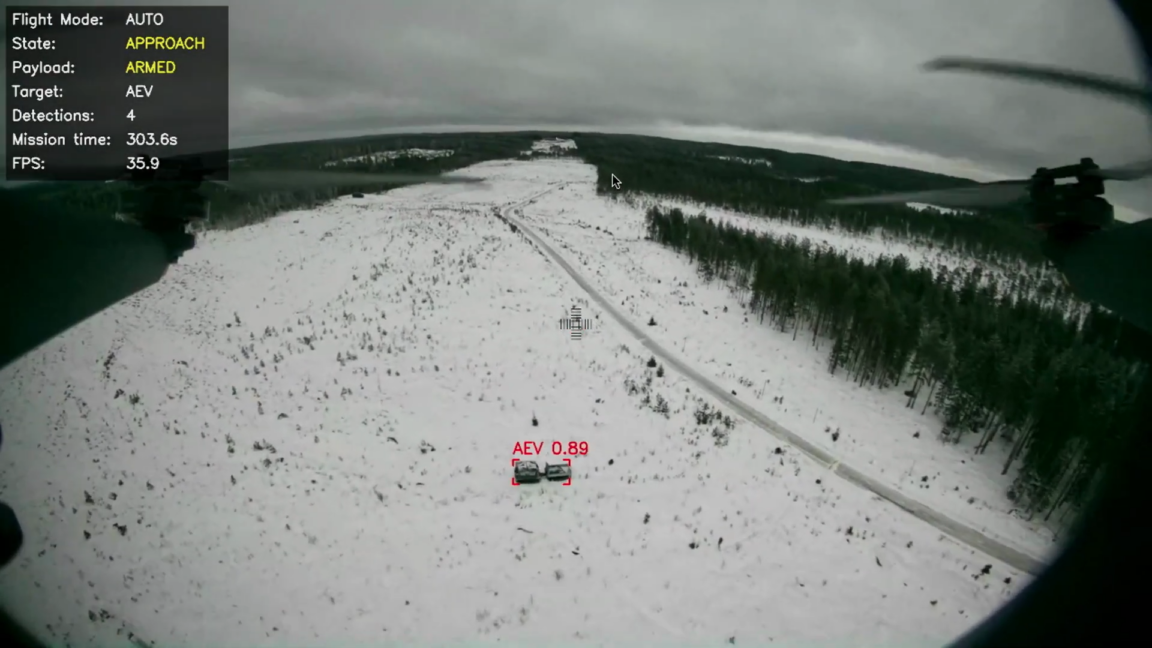
Small AI models let drones autonomously identify and attack battlefield targets

As European militaries adapt to the use of AI and drones in modern warfare, a NATO-backed startup is helping to deploy AI-driven target detection and selection that can run on small drones for surveillance and attack missions.

The company, Scaleout Systems, was originally founded by researchers from Uppsala University in Sweden in 2018, and initially focused on training and deploying machine learning models directly on the hardware available in commercial trucks and other vehicles. But once Russia launched its full-scale invasion of Ukraine in 2022, the company pivoted toward defense applications.

“With the war in Ukraine and a shifting world, we realized that this technology can be very important to operationalize edge data and sensor data for machine learning to make sure that NATO allies have found that strategic advantage,” Andreas Hellander, cofounder and CEO of Scaleout Systems, told Ars.

Read full article

Comments

© Scaleout Systems

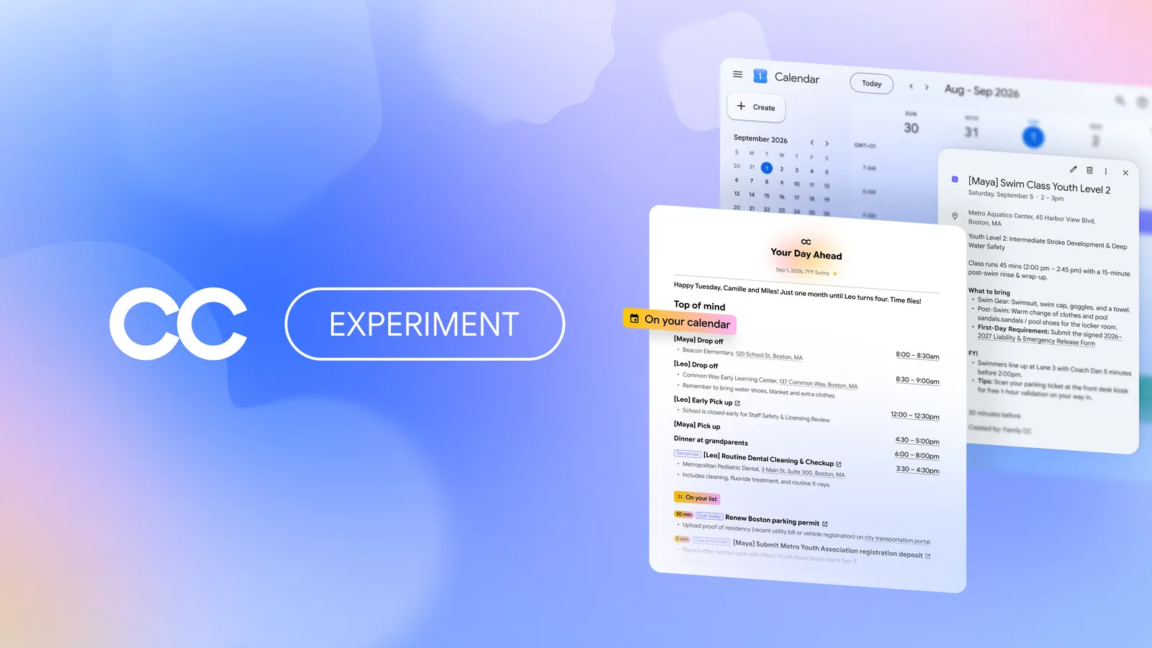
Google announces new experimental "CC" AI agent for families

Google's AI models may not be in the lead by most measures right now, but the company does have one key advantage: your data. If you're deep in the Google ecosystem, Gemini models have a lot of context on you already. Google's latest Google Labs experiment, known as CC, aims to expand that kind of customization to the whole family.

CC is an evolution of something that Google announced in 2025. The original CC eventually became Gemini's Daily Brief, which churns through the data in your Google account to offer daily action items and suggestions. The new CC has a similar goal, but it's designed to be a shared resource for up to six users in a family.

Google says that CC has its own Google account, allowing each family member to interact with it (or not) as they choose. For example, CC only sees emails from its connected users if they are explicitly shared. You can do that by designating certain addresses as always available to the agent—something like school scheduling emails. You can also send content to CC via email or Google Chat. The agent can even monitor a shared Google Drive folder, into which you can dump invitations, documents, and other content.

Read full article

Comments

© Google

Microsoft exec called AI scraping the “largest theft of labor in human history”

For years, Microsoft and OpenAI have fought to keep certain information out of the public eye in their fight with news organizations that have accused the AI firms of teaming up to violate copyright laws by stealing tons of news content to train AI.

However, now the details that should never have been marked confidential are starting to leak. In a motion for summary judgment that was unsealed Thursday from news plaintiffs led by The New York Times, internal documents are exposed that news groups alleged show exactly how Microsoft and OpenAI viewed the threat to news before unleashing new AI products like ChatGPT and Copilot.

Perhaps most explosively, Microsoft Director of Applied Science Brent Hecht repeatedly warned in documents that scraping news for AI training was “an astonishing theft of unprecedented proportions,” calling it perhaps the “largest theft of labor in human history,” news orgs said. In another document, Hecht contradicted Microsoft and OpenAI’s argument that training AI on news content is fair use, suggesting that the plan to widely scrape news made “a complete mockery of the idea of ‘fair use.’”

Read full article

Comments

© Charles Taylor | iStock / Getty Images Plus

❌