❌

Reading view

There are new articles available, click to refresh the page.

Earth's churning mantle may have created the Great Unconformity

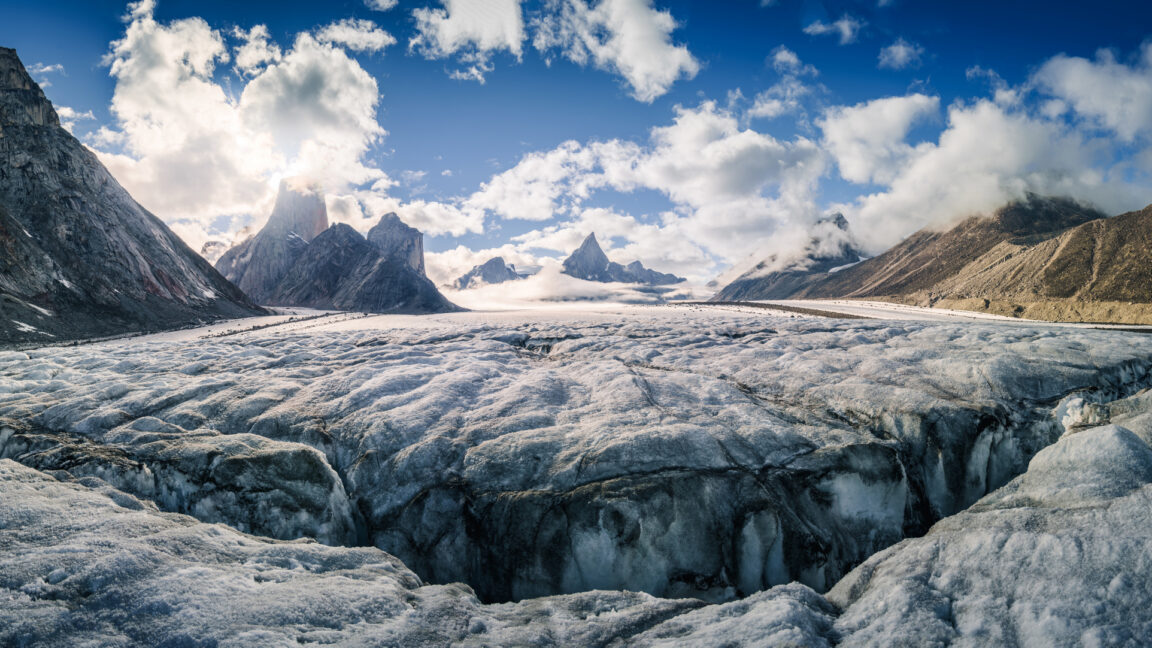
In the Grand Canyon, there is a line in the rock where time seems to have gone missing. Ancient crystalline rocks mark its bottom, while sandstones laid down as life started to diversify during the Cambrian explosion mark the top. “It’s called the Great Unconformity, and it’s a gap in the geologic record,” says Nicolas Flament, a geoscientist at the University of Wollongong, Australia. "This gap can be anywhere between 200 million years, which is not that impressive, to more than a billion years.”

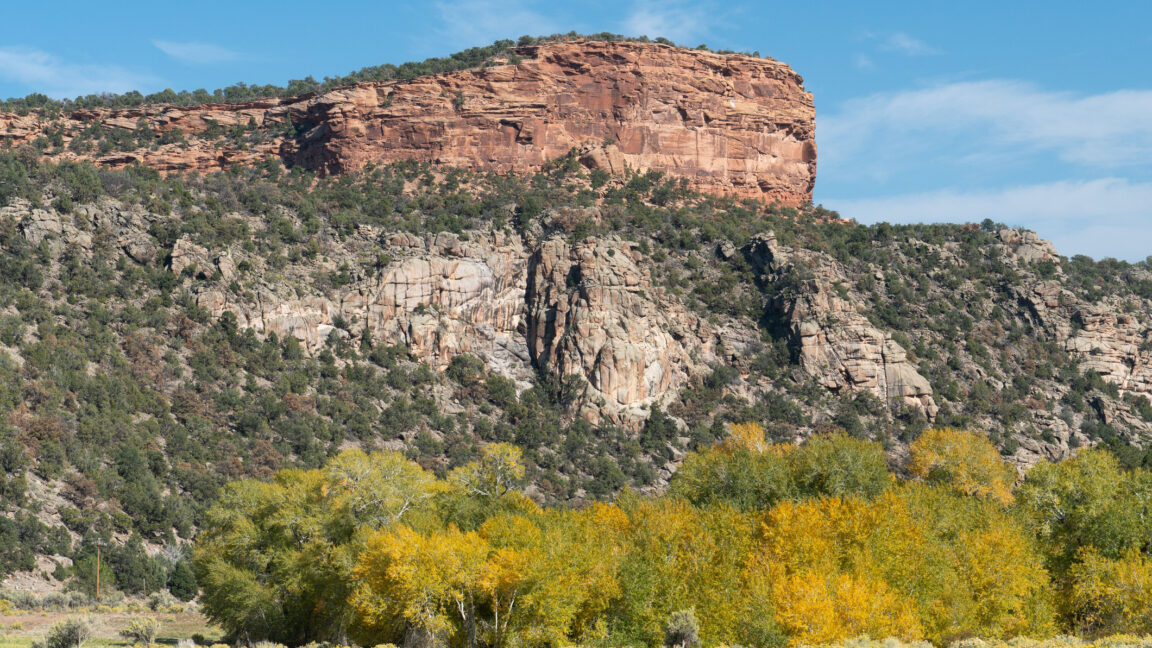
In a recent Nature study, Flament and his colleague Santosh Dhungana argue that this gap was carved with help from deep within the planet. According to their models, slow currents of hot rock in Earth's mantle pushed entire continents up for hundreds of millions of years, letting glaciers grind them down and then let them sink, allowing fresh sediments to bury the scar. The largest hole in the rock record might be a fingerprint of processes happening deep in the planet's interior.

Ice and sea

The oldest sediments resting on the Great Unconformity in North America are between 635 and 482 million years old. Geologists have traced it across most of North America and parts of northern Europe and northern China. “Something seems to have happened, in particular in North America,” Flament says.
Read full article

Comments

© Marli Miller

Seabirds racing home over the ocean can get jet-lagged

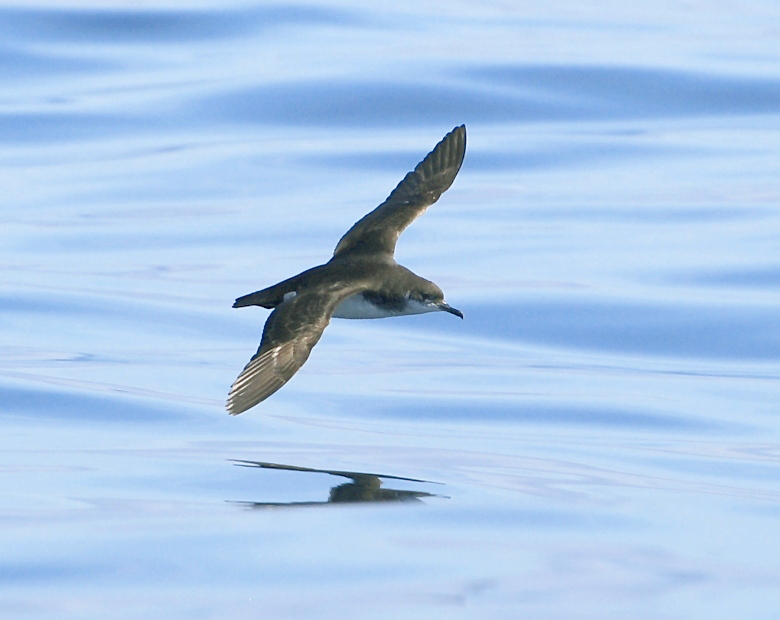
Flying across several time zones often causes jet lag, a feeling where the body insists it's the middle of the night while the clock says it's lunchtime. Now it turns out this nuisance is not exclusive to humans.

A new Science study on Manx shearwaters, seabirds that can fly hundreds of kilometers a day over the North Atlantic, shows they jet-lag themselves during their excursions. And because these birds navigate by the Sun, that jet lag leaves a measurable mark—it skews their compass.

Clockwork compass

Patrick Lewin is a behavioral and sensory ecologist at the University of Oxford and lead author of the study. “Manx shearwaters are medium-sized birds, about the same size as a pigeon,” Lewin said. “They are white underneath and black on top, but they have very long wings, and they are closely related to albatross.” Manx shearwaters nest in burrows on coastal islands around the North Atlantic. Most breed around the UK and Ireland, with about half of their population living in Wales.

Read full article

Comments

© Matt Witt/Wikimedia

Rare meteorite from Mars gives us a view into its ancient crust

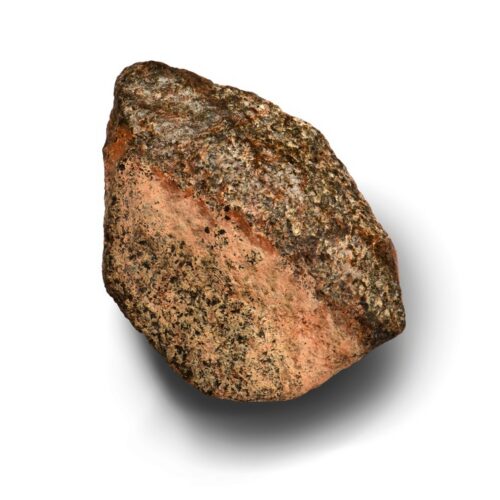
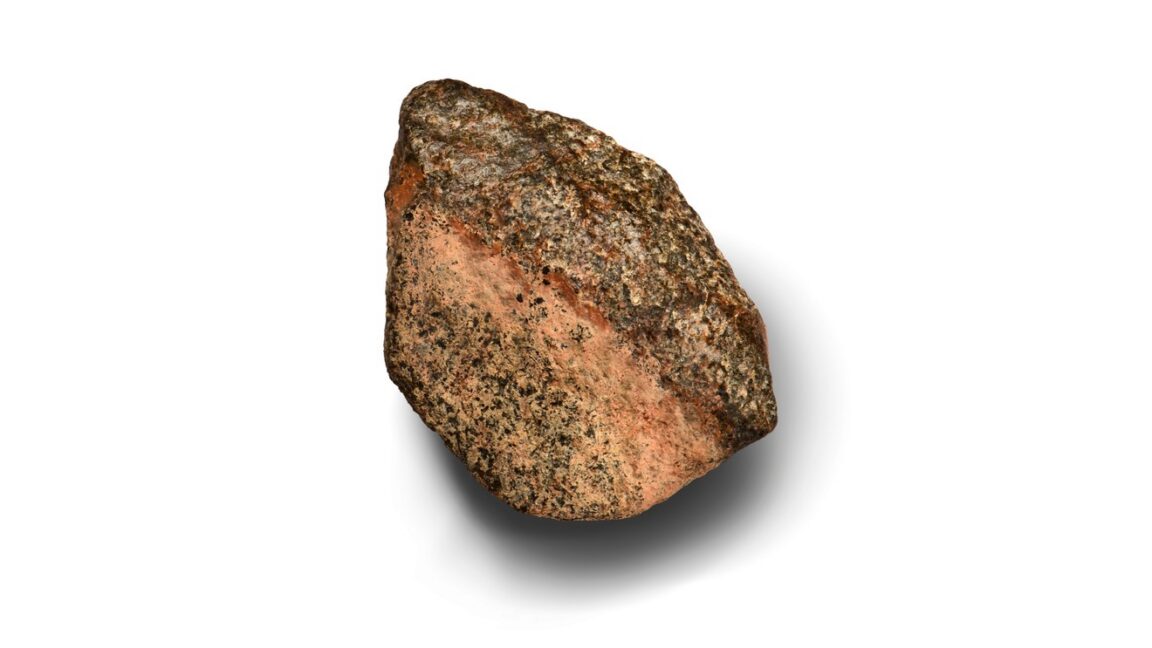
Crater counts tell us that most of the Martian surface is more than 3 billion years old, but pieces of Mars we have on Earth tell a different story. The three main classes of Martian meteorites—shergottites, nakhlites, and chassignites—are all 2.4 billion years old or younger. Until now, only two genuinely ancient Martian meteorites were known: Allan Hills 84001, found in Antarctica, and a jumbled rock from northwest Africa nicknamed Black Beauty. Now we have a third one.

A team led by Yang Liu, a planetary scientist at NASA's Jet Propulsion Laboratory, has shown that a Martian meteorite called Teghaza 001, found in the Sahara Desert in Mali in 2022, formed at least 4.1 billion years ago. “It's very old and similar to some of the oldest rocks on Earth,” Liu says.

A filtered collection

“We don't fully understand why old Martian rocks are so rare on Earth," Liu said. Part of the answer may lie in how a piece of Mars gets here. It takes a large impact to launch a rock off the planet, and not every rock can survive that. “If the impact hits into loose powder, it may not get cemented to become a rock and fly off Mars' gravity,” Liu said. “So the natural impact already acts as a filter. Weak rocks do not make it off Mars.”

Read full article

Comments

© Darryl Pitt / Maine Mineral & Gem Museum

Ice sheet expansion may have started 2,000 years ago, but we canceled that

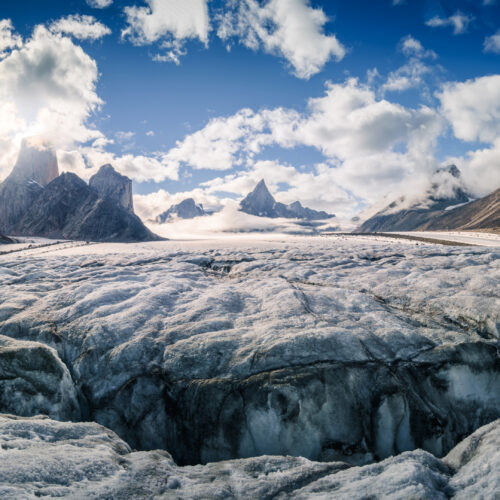
Barnes Ice Cap sits on the central plateau of Baffin Island, in the Canadian Arctic. It is the last surviving fragment of the Laurentide Ice Sheet, the largest of the Pleistocene ice sheets, which at its peak buried most of Canada under two miles of ice and locked away around 80 meters of sea level. That remnant has now yielded direct physical evidence that ice sheets might have reversed their retreat and started to grow again thousands of years ago.

In a recent Science study, researchers show that the Laurentide reached its smallest size about 3,600 years ago, then started re-expanding roughly 2,000 years ago, which the team interprets as the opening move of the next glaciation. Apparently, this brand-new ice age was on its way until about 1960, when human-caused climate warming reversed it.

Frozen to the bed

“Barnes is the last remaining piece of one of the domes of the Laurentide Ice Sheet,” says Nicolás Young, a geologist at Columbia University's Lamont-Doherty Earth Observatory and lead author of the study. As that enormous dome thinned through the Holocene, its margin withdrew up onto Baffin Island, and what's left today is the deflated core of something that was once two miles thick. The reason Barnes can testify about its own history, Young explains, comes down to the temperature at its base.

Read full article

Comments

© Posnov

Crows can evaluate visual info twice as fast as mammals

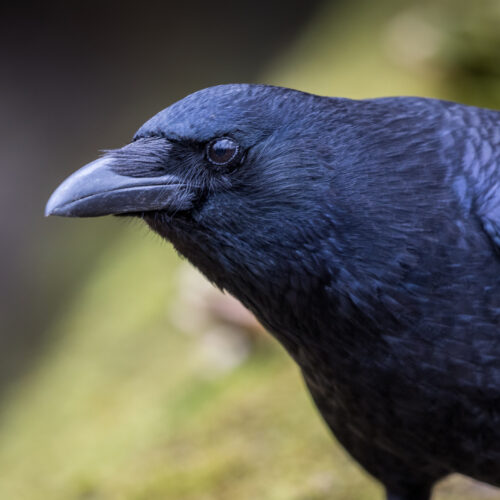
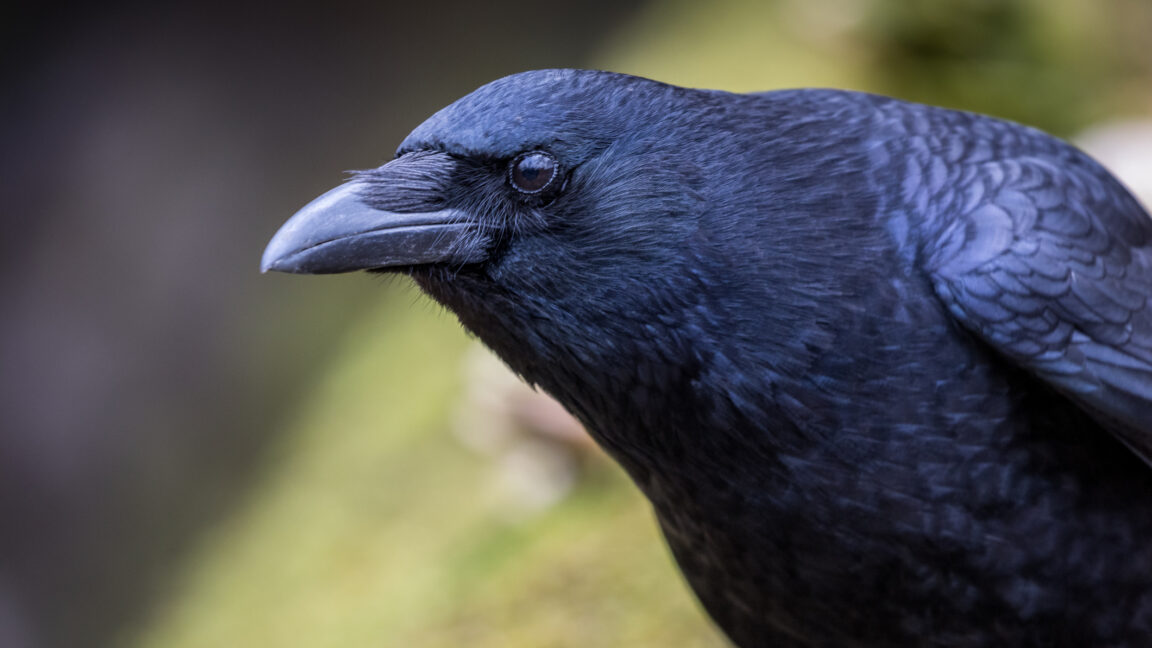
Much of what we know about how a brain makes decisions comes from studying monkeys watching dots. In a task known as a random-dot-motion task, a cloud of flickering specks drifts weakly in one direction while the subject tries to determine whether—and in which direction— it’s moving. The task has shown that in the primate neocortex, neurons gather visual evidence over time, with their firing rates climbing until they cross a threshold, when the animal commits to a decision.

But avian brains don’t have a neocortex, so it wasn’t obvious how they made similar decisions.

“This was the big question,” said Andreas Nieder, a neurobiologist at the University of Tübingen. “How [would] a differently organized avian brain encode decisions?”

Read full article

Comments

© Santiago Urquijo

Microplastics in water aren’t inert and make damaging chemicals on their own

One reason plastics are used so often is that they’re chemically inert, meaning bags, food containers, and cups don't react with what we put in them. Yet they can still break down into microplastics, which turn up in drinking water, human blood, arteries, and brains. The consequences of that are uncertain.

“Whether microplastics can directly cause human disease is still being researched,” said Wei Min, a chemist at Columbia University. In a new Nature study, Min's team took a step toward answering this question by demonstrating that microplastics are likely not as chemically inert as we might expect.

Microdroplet chemistry

Min's lab has spent years working on microdroplet chemistry, studying how water broken into tiny droplets behaves at its boundary with air. These droplets have been reported to generate reactive oxygen species, or ROS, a family of harmful, oxygen-containing molecules. “ROS will essentially bump into proteins, lipids, DNA, and cause damage,” Min said. “You could break a DNA strand into segments. You could mutate DNA; you could misfold proteins.”

Read full article

Comments

© Brandon Bell/Getty Images

❌