โŒ

Reading view

There are new articles available, click to refresh the page.

ULA's Vulcan rocket is set to return to flight on Friday the 13th

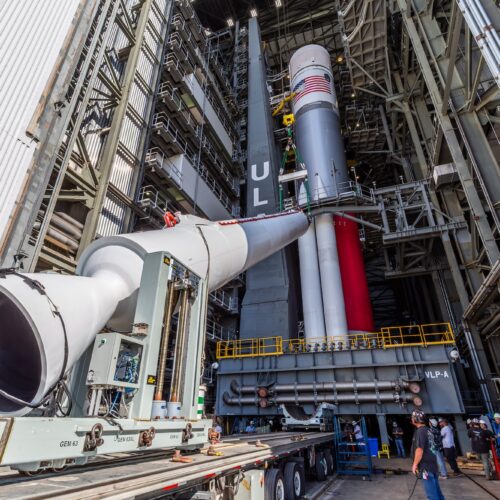
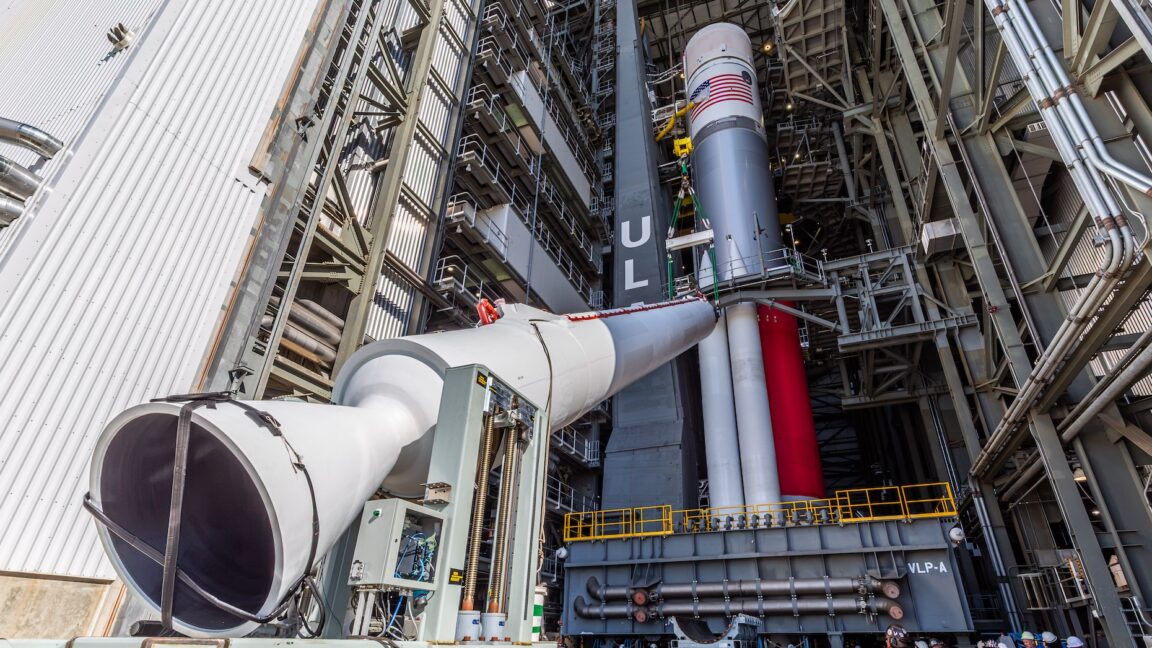
United Launch Alliance announced Wednesday it plans to return its Vulcan rocket to service on November 13, nine months after a solid rocket booster anomaly threw the company's 2026 launch schedule into oblivion.

The return-to-flight mission will launch 40 satellites for the Amazon Leo broadband constellation, the first of 38 Vulcan flights Amazon has booked to deploy the bulk of its network. The mission will lift off from Cape Canaveral Space Force Station, Florida, and ULA said the launch date is pending range approval.

The launch is critical for ULA after its new flagship rocket suffered nozzle failures on its solid rocket boosters on two of its first four missions, most recently during a flight in February. In both cases, the rocket overcame the nozzle failure and completed its mission, but officials at the US Space Force, ULA's primary customer, lost confidence in Vulcan.
Read full article

Comments

ยฉ United Launch Alliance

Stratospheric airship flew from US to Japan to test sky cell tower concept

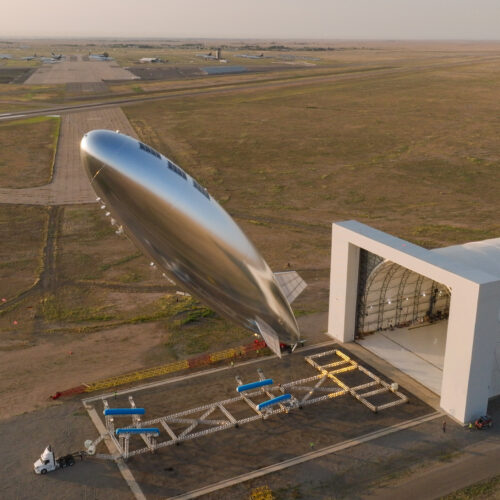
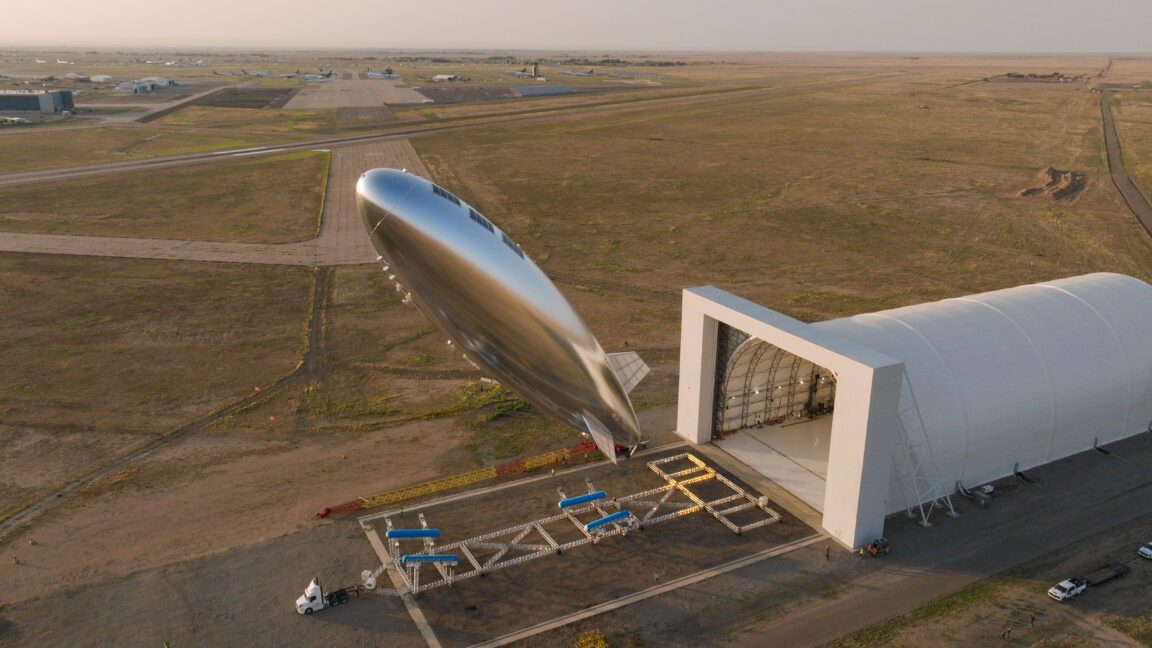
Nearly 100 years after the dirigible Graf Zeppelin made the first nonstop airship journey across the Pacific Ocean, another airship has successfully completed a round-trip flight from New Mexico to Japan and back. But the significance of this modern feat was less about the journey's length and more about its purpose: demonstrating how a lighter-than-air platform can act as a cell phone tower in the sky.

The trans-Pacific flight that took place over a month between August and September 2026 was the most notable milestone yet for Sceye, a US aerospace company based near Albuquerque, New Mexico. Sceye has developed an uncrewed platform filled with helium for buoyancy and equipped with an electric-powered propeller for active propulsion, allowing it to resist most strong winds and keep hovering over the same location for long periods. The platform also uses top-mounted solar panels and onboard batteries to stay powered for stratospheric operations around the clock.

โ€œWe can stay over an area of operation, and we do that in the stratosphere right around 60,000 feet, so we're twice as high as air traffic and we're above the jet stream, and yet 30 times closer than low-Earth orbit satellites,โ€ Mikkel Frandsen, founder and CEO of Sceye, told Ars. โ€œWe can fly through day and night until the sun comes up the next morning and recharges the batteries, at which point we're still at the same altitude and still over the same area of operation.โ€

Read full article

Comments

ยฉ Sceye

โŒ