❌

Reading view

There are new articles available, click to refresh the page.

Chainalysis says hackers stole credentials and tokens for all of its customers

Blockchain analysis firm Chainalysis said that hackers have obtained sensitive personal information—including names, usernames, password hashes, and live tokens—for all of its users following a breach of its network security.

The accomplishment could be a major coup for the attackers. Both Chainalysis and public sources have revealed a long list of high-profile customers, including government agencies such as the FBI, US Immigration and Customs Enforcement agency, and the US Air Force, as well as private companies such as Microsoft, Coinbase, and Barclays. It's unclear if the data theft exposed customers to additional threats.

We regret to inform you...

Last Friday, Chainalysis said it had been the target of a cybersecurity incident in October that was similar to the hacks of other platforms during the same month. The external actor used AI agent-assisted offensive techniques to gain unauthorized access to Chainalysis systems and internal tools. An email the company sent to affected customers said some “non-sensitive customer data, such as user IDs, full names, email addresses, and organization role labels for users provisioned on our platform were accessed.” It's not clear why the company considered such information "non-sensitive."

Read full article

Comments

Nvidia hardware worth $11.4M vanished between Oakland and Texas

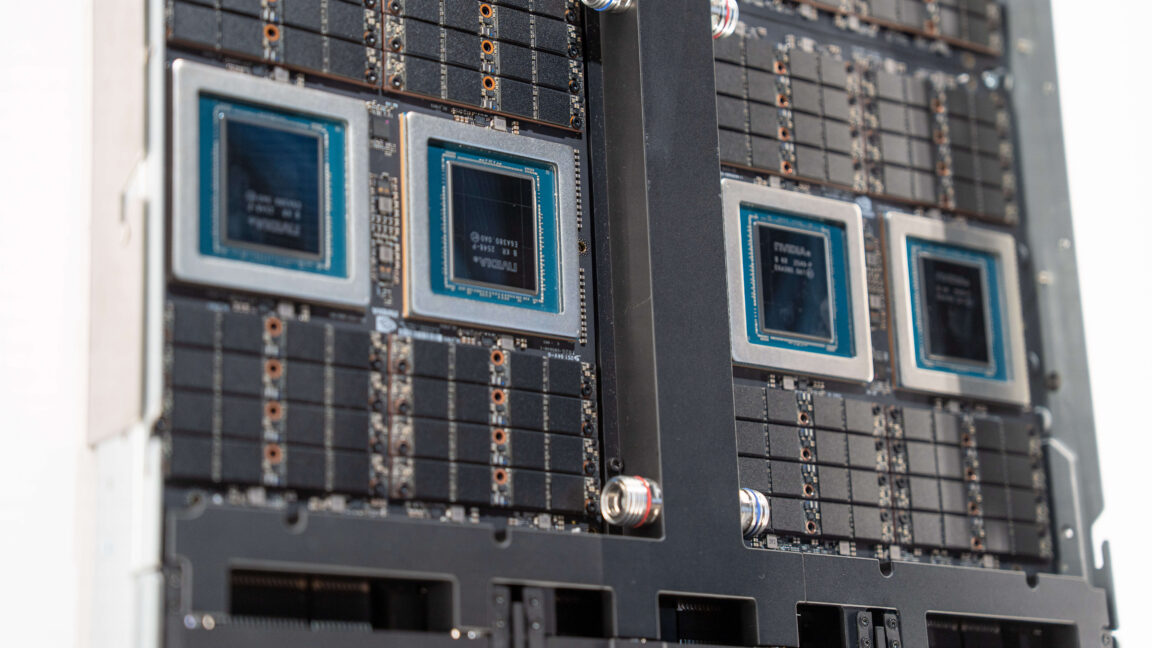
A shipment of Nvidia hardware valued at $11.4 million vanished in transport between Oakland and Texas over the summer, and more than two months later, police have announced no arrests or recovery of the cargo.

As reported by The Mercury News, six pallets of unknown Nvidia equipment left Oakland on August 29 on a truck bound for Fort Worth, Texas. The hardware was reportedly picked up as scheduled by a truck bearing the logo of a food transportation company before vanishing off the grid. The theft wasn't noticed until early September, when the buyers realized that the shipment had never been received. Police attempting to trace the truck's route found it had made several multi-hour stops after picking up the hardware before losing the truck somewhere in San Bernardino County, California.

Oakland police confirmed that there was a grand theft report filed on September 13 and that the investigation remains ongoing. Authorities have not said what Nvidia hardware was stolen or exactly how the theft was carried out.

Read full article

Comments

© Getty Images

Binance says hackers who stole billions in crypto spent months planning heist

The hackers who stole billions of dollars in cryptocurrency from the Binance exchange spent months working on the theft and used both social engineering and novel malware in the process, the company said Tuesday.

The heist, which both the FBI and the TRM Security firm attributed to North Korean actors, initially targeted $6.34 billion in cryptocurrency from Binance wallets. The exchange has since frozen or intercepted $2.85 billion of that sum. Binance said it has set aside funds required to cover the loss and provided this link to a Proof of Reserves page. The $6.34 billion represents the biggest sum ever targeted in a cryptocurrency theft.

Advanced persistent threat

Binance said the people behind the heist began no later than June and continued until last Thursday, when they successfully compromised an engineer's laptop and withdrew assets from several wallets. Like just about every organization that suffers a public, high-consequence hack, Binance said the threat actor was sophisticated and resourceful.

Read full article

Comments

© Dan Kitwood/Getty

Massive leak exposes 41,000 DHS workers and undercover ICE agents

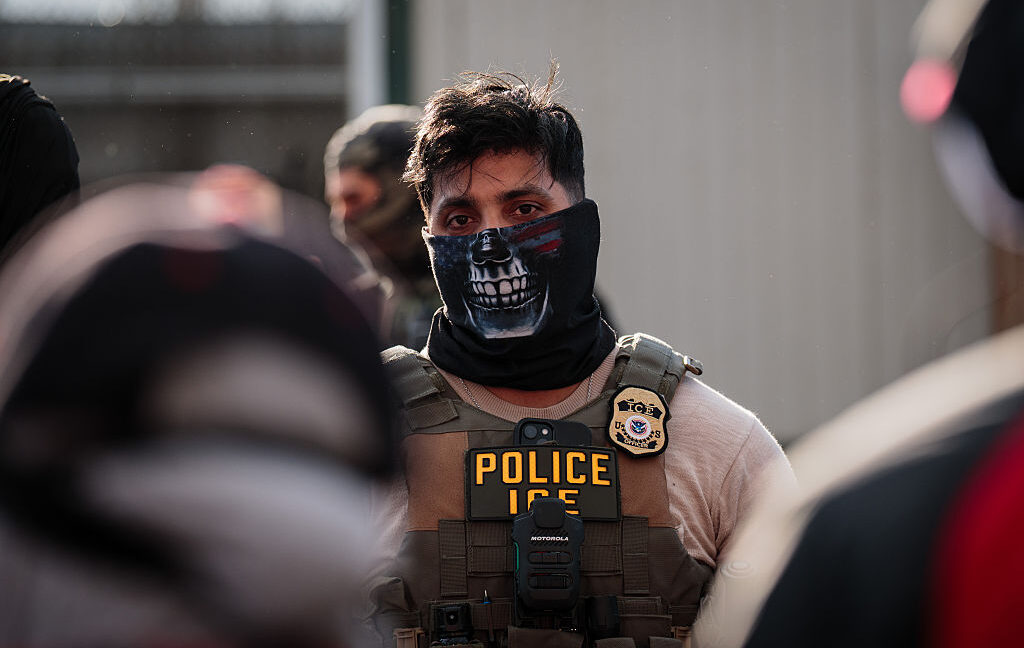
An unprecedented leak of Department of Homeland Security records has exposed details of more than 41,000 employees or contractors who work for the department and its constituent agencies. The records include email addresses, phone numbers, and office addresses, but also references to internal systems and sensitive information on undercover and surveillance programs. In all, the leak provides a map of how DHS is organized and how it operates.

The records, which span DHS itself as well as seven component agencies, including Immigration and Customs Enforcement and US Customs and Border Protection, were last updated on August 19, 2026. The transparency nonprofit Distributed Denial of Secrets and cybersecurity researcher and journalist maia arson crimew previewed the data for WIRED, which they say they obtained from a group calling itself the Department of Peace.

DDoSecrets published the archive, which it calls “Icepick,” on Wednesday. In a press release, DDoSecrets says the data is from DHS's Okta login system. In a note with the files, the hackers wrote, “They have our information, so it’s only fair that we have theirs.”

Read full article

Comments

© Adam Gray/Getty

333 Tor exit nodes hijacked to intercept SSH traffic and retrieve plaintext email

Unknown hackers hijacked more than 300 Tor exit nodes and reconfigured them to favor unencrypted email traffic and redirect SSH connections through servers they controlled, a researcher reported Tuesday.

The hijacking began in late August, when, according to Tor volunteers, the attacker used a valid password that had been reused to gain access to a Tor management server. The attacker then installed Ebury, a backdoor written for Linux that was discovered 12 years ago.

Mysteries remain

Then the attacker connected from the management server to a second Tor server, called Switzerland2, through SSH, using an RSA key that, for unknown reasons, investigators couldn’t find among Switzerland2’s authorized keys. With administrative control of Switzerland2, the attackers installed Ebury there as well. Finally, the attacker reconfigured settings on two exit nodes that Switzerland2 hosted.

Read full article

Comments

© Photo Illustration by Pavlo Gonchar/SOPA Images/LightRocket via Getty Images

Review: Carrie is a triumphant remix with one major flaw

Carrie White, the telekinetic prom queen from hell, is one of the most beloved horror icons in popular culture. First introduced in Stephen King's 1974 novel, Carrie, the character was immortalized in director Brian De Palma's 1976 adaptation, widely regarded as one of the best horror films of all time. It's certainly one of the best King adaptations. So Mike Flanagan faced a massive challenge when he signed on to create an eight-episode miniseries for Prime Video based on the book, released just in time to mark the 50th anniversary of de Palma's film.

I was among the skeptics who questioned why a Carrie miniseries was even necessary, although as a diehard Flanagan fan ("Flana-fan"?), I was willing to give him the benefit of the doubt. If anyone has an affinity for smartly adapting horror in general, and King's work in particular, it's Flanagan. And you know what? With one (very big) exception, Flanagan pulls it off, giving us a richly textured version of the story that is as much about kindness and lost innocence as bloody, vengeful rage—although we get plenty of the latter, too.

(Many spoilers below for the novel and the 1976 film, but there are no major reveals for the new series until after the second gallery. We'll give you a heads-up when we get there.)

Read full article

Comments

© Prime VIdeo

❌