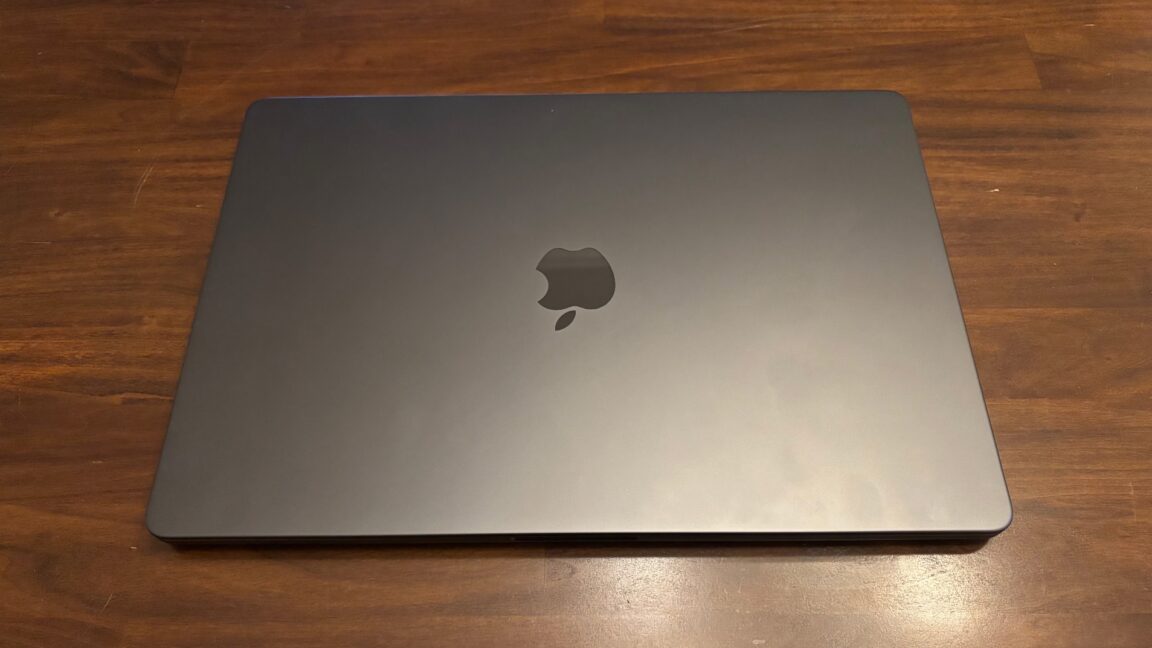
Let's get that out there right away, because for a lot of people, it will be the only thing that matters. As with so many things in life, though, you get what you pay for. There's no questioning the quality of the laptop's display or most of its other hardware components.
But should you buy it? Well, that's a complicated question in 2026.
The iPad mini has long felt like a niche product. It has earned a reputation as a quality tablet for people who want something small, comfortable, and portable, but its small screen and comparatively limited processing power have restricted its appeal, making it best suited to watching media or playing games.
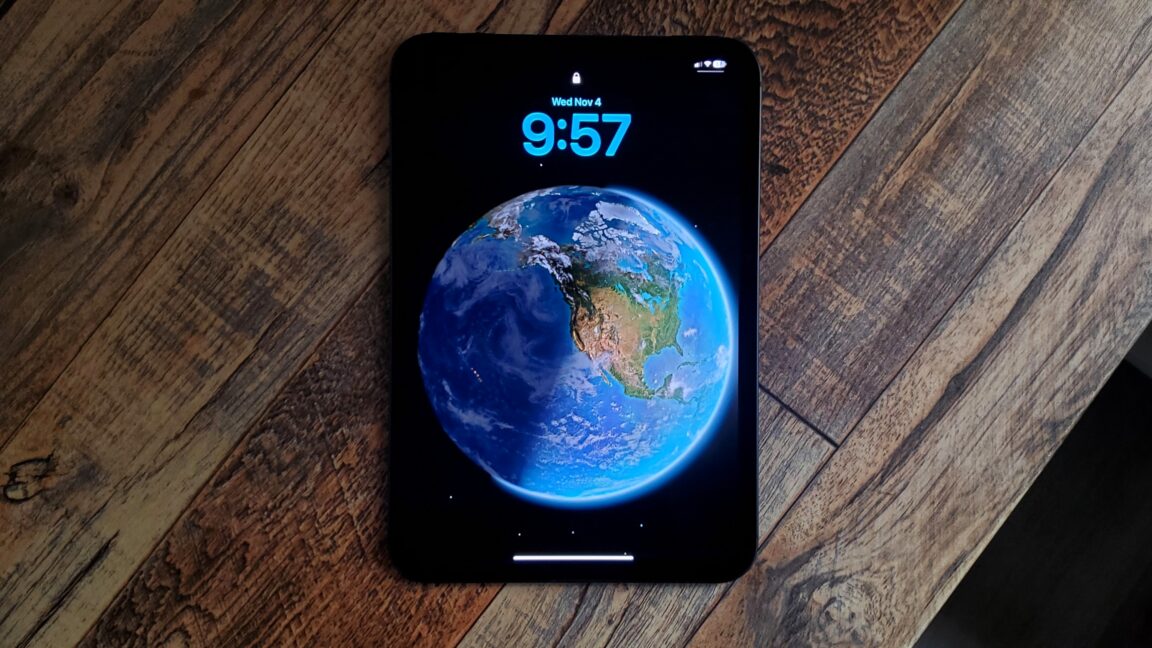
With the 2026 version, the iPad mini is more competitive than ever. Its chip is current, its speakers are better, and, most impressively, it trades its 8.3-inch IPS screen for an 8.5-inch OLED that can hold its own against other premium tablets. There isn’t much more you can ask of an iPad this small.
But at just $50 less than the larger, more powerful iPad Air (11-inch), the iPad mini still has a hard time making a case for itself.
Over the weekend, the No Kings Coalition said Meta declined to commit to taking steps to prevent automated systems from suspending one of Instagram's most prominent pro-democracy accounts if activity surged around the page during the midterm elections.
A demand for action came after Meta apologized for temporarily suspending the No Kings Instagram account and disabling access for four hours at the peak of an early voting push from the group. In a post on X, Meta’s Andy Stone said the account had been using a Claude AI tool in a way that made it appear to be a bot. But even though automated review detected the error within an hour, Stone acknowledged that additional hurdles kept admins locked out. State and federal lawmakers—as well as a coalition of 14 attorneys general—have asked Meta to further explain its actions.
In a letter to No Kings, Meta offered to arrange a meeting with a technical expert who could better explain the mistake. But No Kings rejected the response, saying it failed to address any of the group's ongoing concerns and requesting a meeting with Meta senior leadership instead. The group stressed that the issue goes beyond its Instagram account, saying that Americans who rely on Meta's platforms need assurance that voting content won’t be suppressed ahead of or on election day. Among eight questions, the coalition asked Meta to publicly disclose any communications with the Trump administration about the No Kings account or the historic early voting day event.
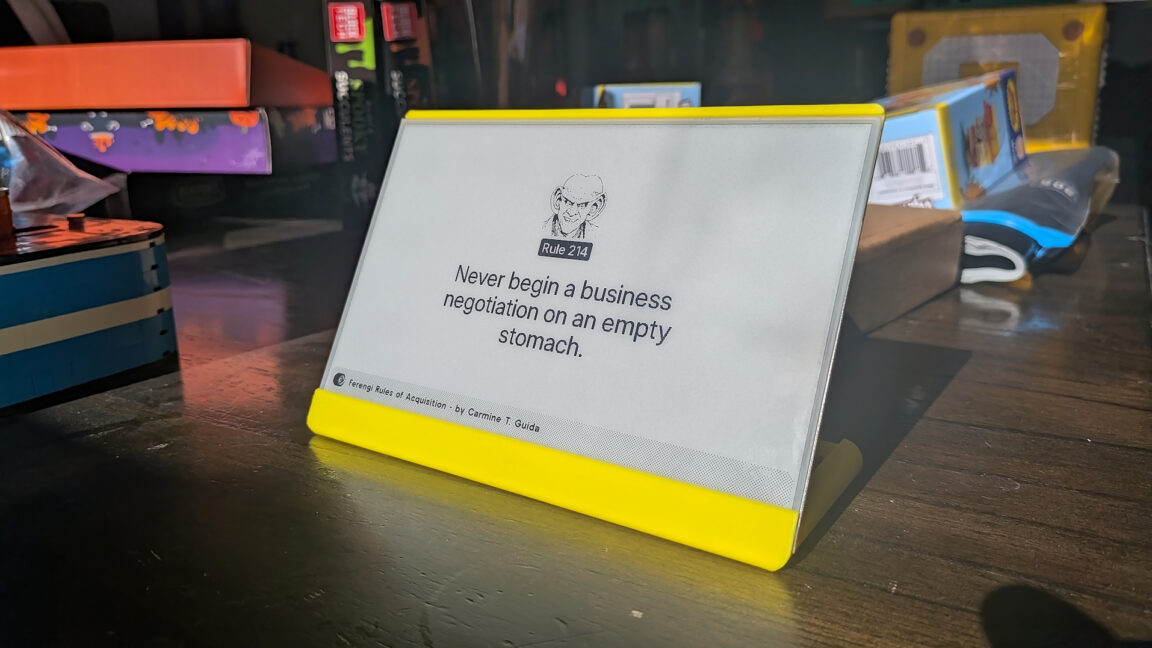
One of the most useful gadgets in my kitchen is now a screen that never asks me for anything.
I recently bought a $48 DIY display kit from Seeed Studio (yes, that's three E's), developed in collaboration with TRMNL, that lets me display whatever I want, using whichever software ecosystem I prefer.
I previously built something similar by modding a Lenovo ThinkSmart View, which was selling for around $30 on eBay during a liquidation. The Lenovo device was only ever intended for business-to-business video, but it does a decent job of running a fork of LineageOS. Unfortunately, its limited RAM makes it sluggish. So when I came across the TRMNL kit and its e-paper display, I was sold.
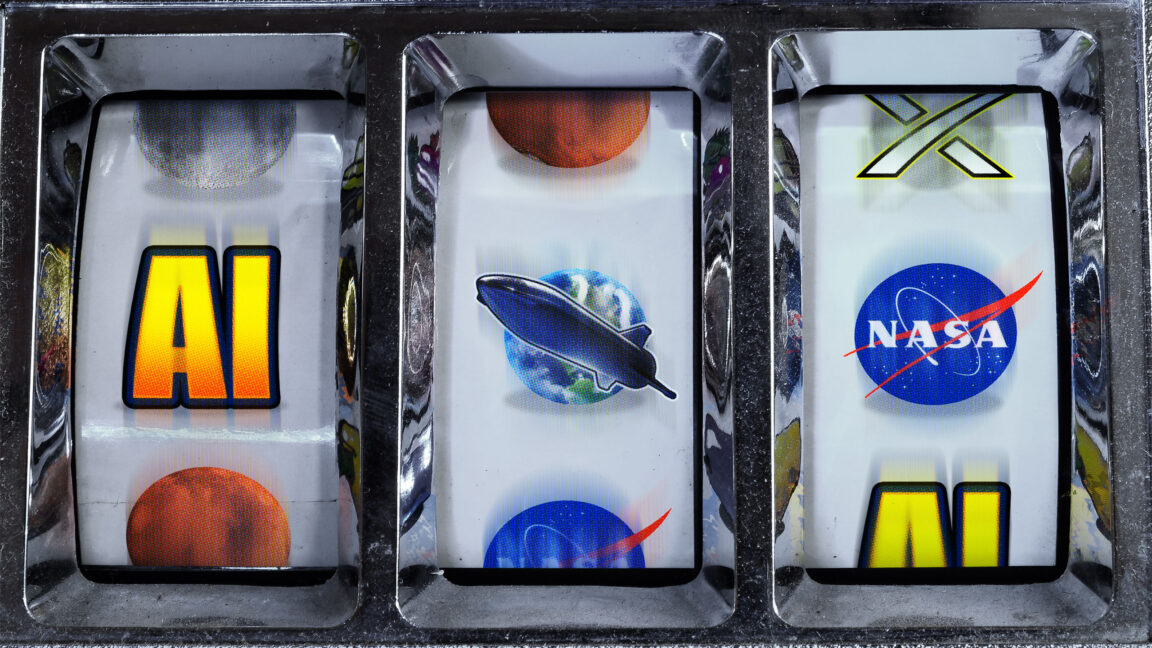
For nearly a quarter of a century, Elon Musk and his essential partner at SpaceX, Gwynne Shotwell, viewed the United States government as El Dorado, the mythical city of gold.
Like machete-wielding treasure hunters, Musk and Shotwell hacked through a tangled jungle filled with lurking carnivores such as Boeing and Lockheed Martin, as well as bean counters and regulators. Over time, against long odds, the pair cleared a path for SpaceX to contracts at NASA and the US military. They sued when things did not go their way. They hollered about unfair playing fields. Most importantly, they delivered quality space products to the US government for less.
And so, after a while, SpaceX found El Dorado and a city of contracts.
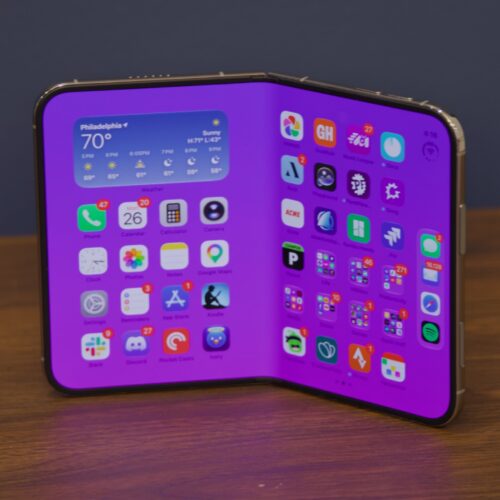
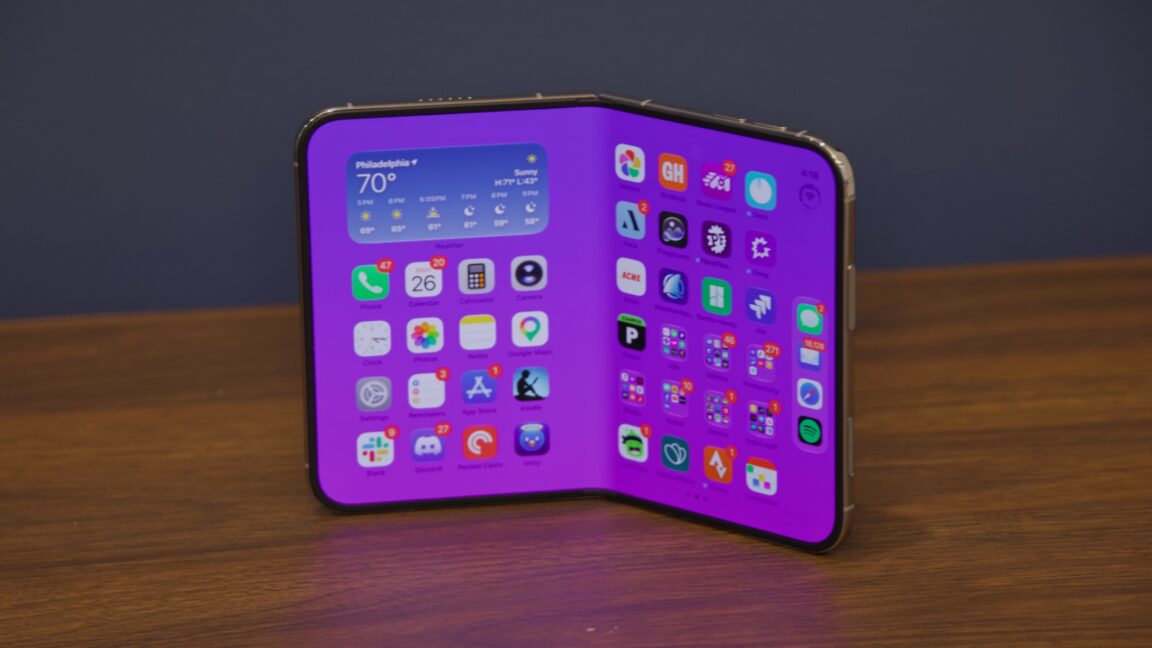
I understand the appeal of foldable phones—they let manufacturers keep expanding screen sizes while still producing devices that can reasonably fit in a pocket. In practice, though, every foldable Android phone I've seen in public has had a ridiculously visible seam between the two halves of the screen, often with what looks like delamination from the underlying surface, giving the display an ugly, bubbly appearance.
Back when Android phones began shipping with bigger and bigger screens and the iPhone was stuck at a miserly four inches, I was jealous. But I've never looked at anyone using a chunky, fragile-looking foldable phone in public and pined for Apple's take on the idea.
Nevertheless, that take has arrived, in the form of the iPhone Duo. This $1,999-and-up foldable is the biggest change to the iPhone in years, with both hardware and software updates that dramatically change how you interact with the device.
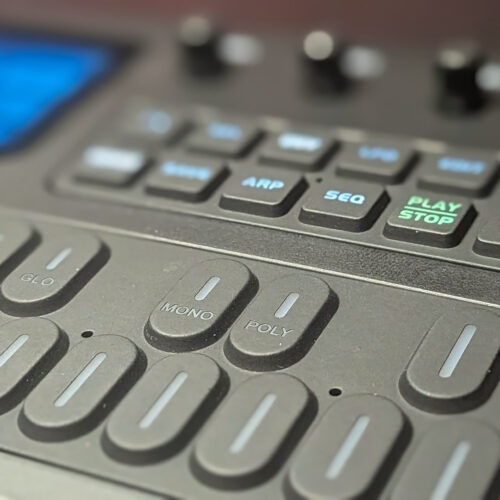
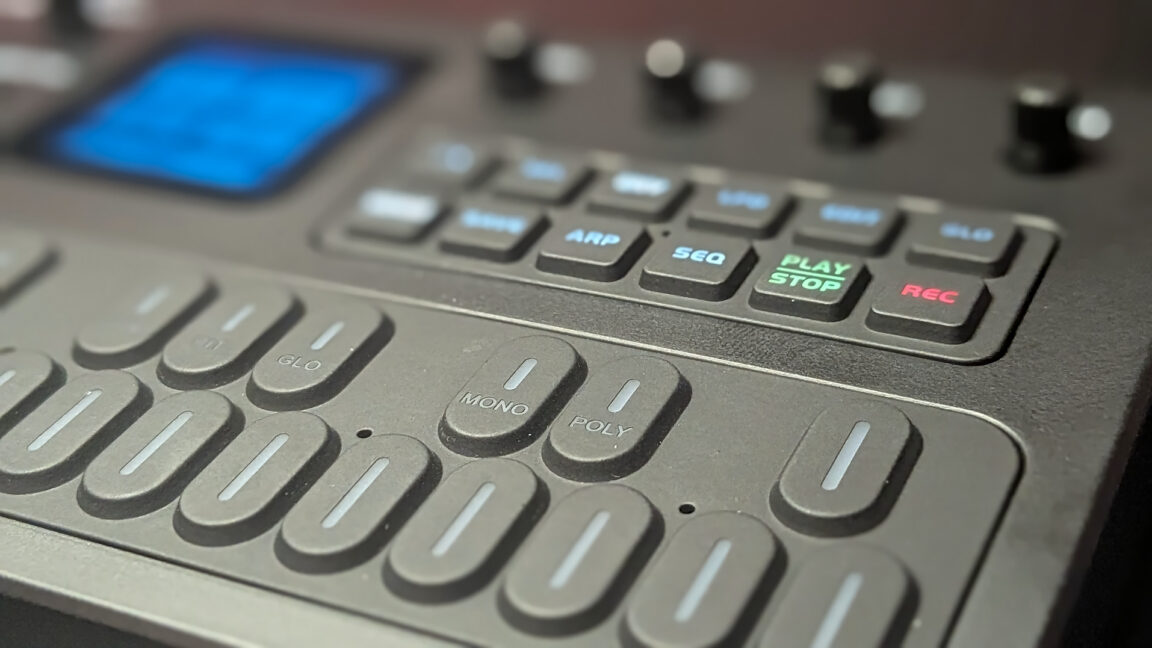
The M-Vave FM-1 is exactly the kind of device I have a weakness for. I may not have an intended use for the frequency-modulation synthesizer, but when a low price meets a high coolness factor, I'm powerless to keep it out of my cart.
Initially billed as a pocket cousin of the famous Yamaha DX7 synthesizer, the FM-1 is a bargain at only $59.72 after fees. At release, it was a cool device that did what it said on the box, but not much else.
But in July, some intrepid tinkerers on Reddit’s r/synthdiy board began reverse-engineering the FM-1's stock firmware to expand the device's abilities. By September, custom firmware began appearing. We're not even through October, and there are already more community firmware projects available to install on the FM-1 than I could ever hope to cover.
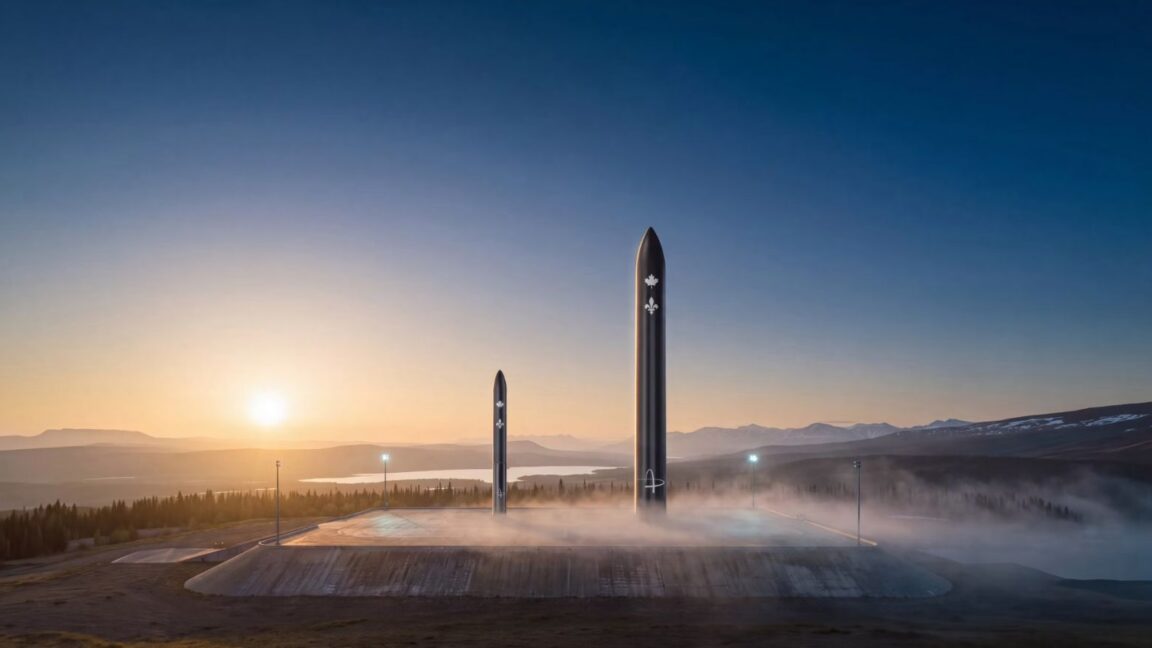
Welcome to Edition 9.16 of the Rocket Report! Lots of SpaceX-related news this week including a couple of Thursday shockers. In one story, the company told the US Space Force thanks, but no thanks after being offered three military launch contracts. Then, on the civil space side of things, SpaceX's Starship may required up to 22 refuelings to support a lunar landing, a NASA safety panel said.
As always, we welcome reader submissions, and if you don't want to miss an issue, please subscribe using the box below (the form will not appear on AMP-enabled versions of the site). Each report will include information on small-, medium-, and heavy-lift rockets as well as a quick look ahead at the next three launches on the calendar.
Miura 5 getting closer to launch. PLD Space says its Miura 5 rocket, due to undertake its inaugural launch next year, is nearing final integration, Aviation Week reports. The rocket is one of three Miura 5s the company has already manufactured, with the other two designed to qualify key system elements, CEO Raúl Torres said in an October 19 program update. PLD Space now targets a first flight of the small-lift vehicle before mid-2027.
In his opinion Wednesday, US district court judge Francis J. Mathew said there was no “bright line rule” for determining the appropriate penalty for Meta's repeated and willful deception of users since 2010 about their “control of data, third-party data misuse, misinformation, hate speech, and equal enforcement.”
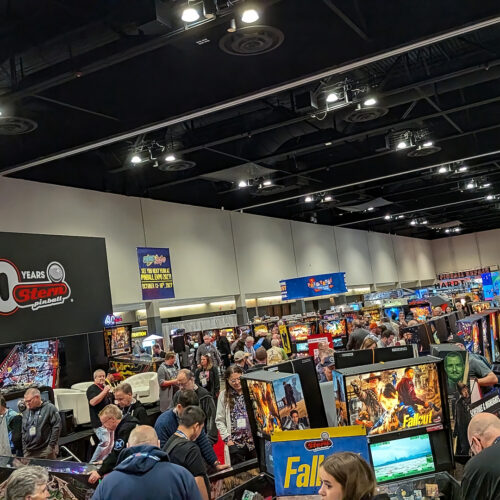
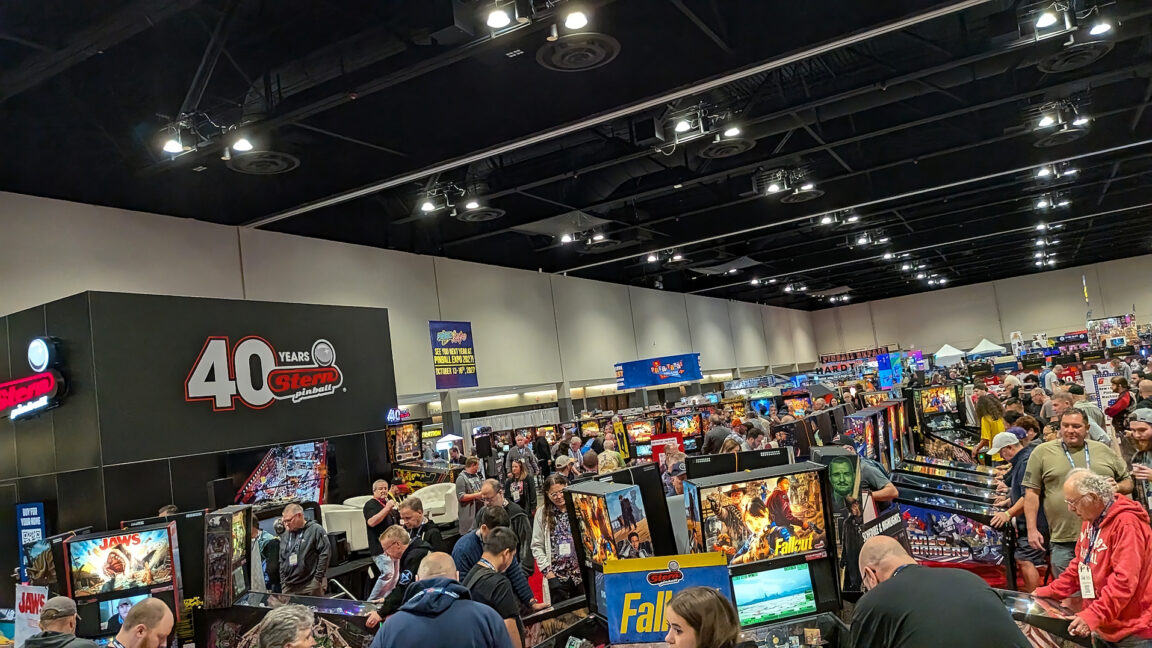
It's October in the Midwest, which means it's time for the pinball world to descend on a convention center in Chicagoland for the annual Pinball Expo. Once thought to be an entertainment sector slowly bleeding out, pinball has come back in a big way in recent years. I visited one of Chicago's last old-school manufacturers before heading down the road to see what's new in the silver-ball universe.
Behind the silver ball
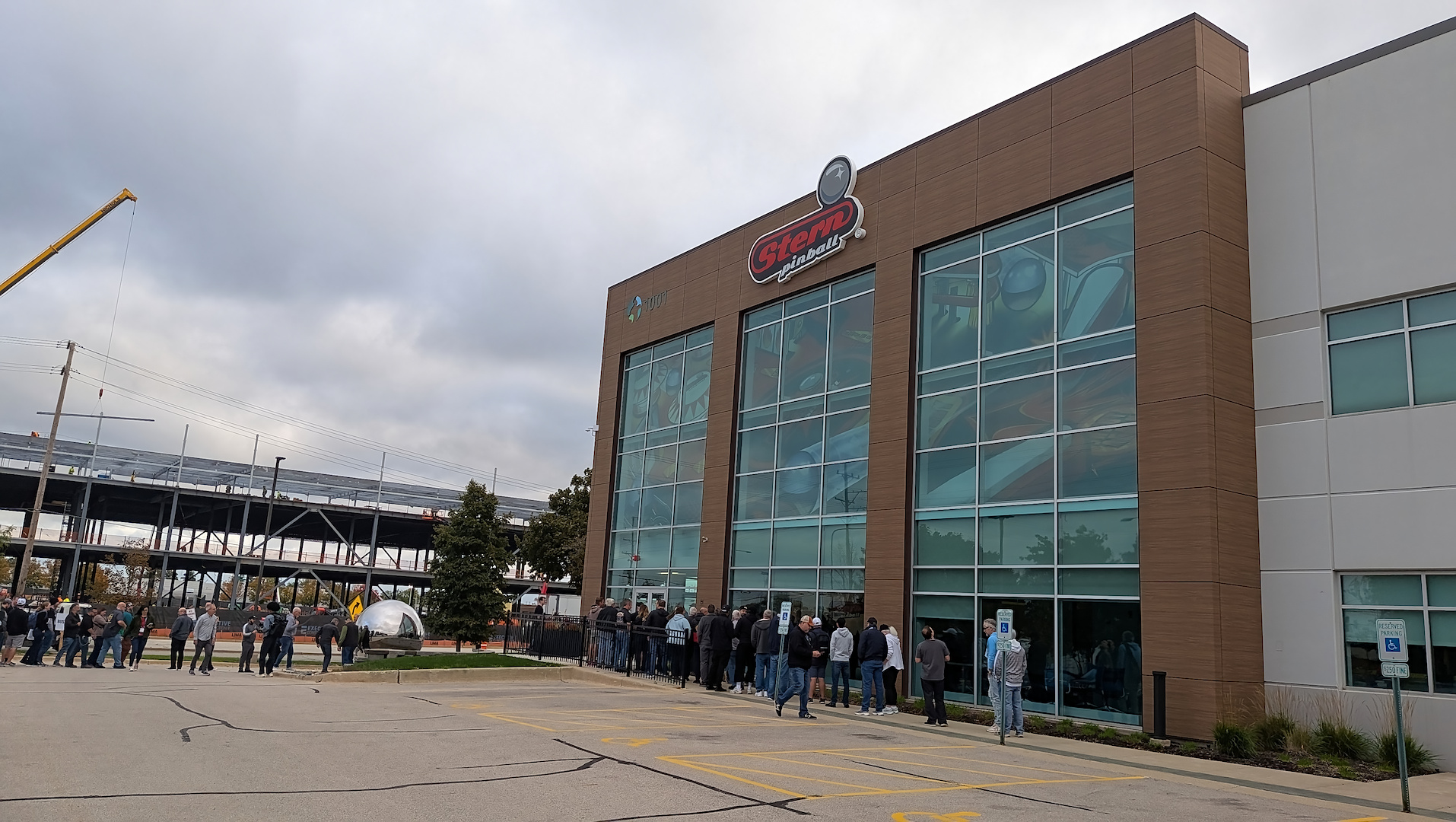
Hundreds gathered on a brisk fall Friday morning outside Stern Pinball's headquarters in Elk Grove, Illinois, waiting to enter a Wonka-like wonder factory where piles of raw parts become licensed creations from Jaws to the brand-new Fallout. Stern invited me to tour its offices and factory floor before heading off to the convention in nearby Schaumburg, Illinois.
An early-morning line begins to form outside of Stern HQ as buses of Pinball Expo attendees arrive for tours.
As I stood with my tour group in Stern Pinball's HQ lobby, mouth agape at the dozens of machines lining the walls, we were greeted by the man himself, Gary Stern, who gave us some background on the company's 40-year history. After a stop at Gary's podium, we were ushered to the factory floor entrance, where Stern employee and legendary game designer George Gomez briefed us on the tour rules and answered questions. According to Gomez, "at any given time, Stern controls 90 percent of the current pinball market, and everybody else splits the rest."
As I sat in the cab of the pickup truck and manually rolled down the windows, I closed my eyes and, for the briefest moment, flashed back to opening the windows on a cold, winter day in my dad’s 1975 Ford Ranger to let more cigarette smoke escape. I opened my eyes and looked through the windshield at a wall in the Slate Customer Experience Center studded with bright color chips.
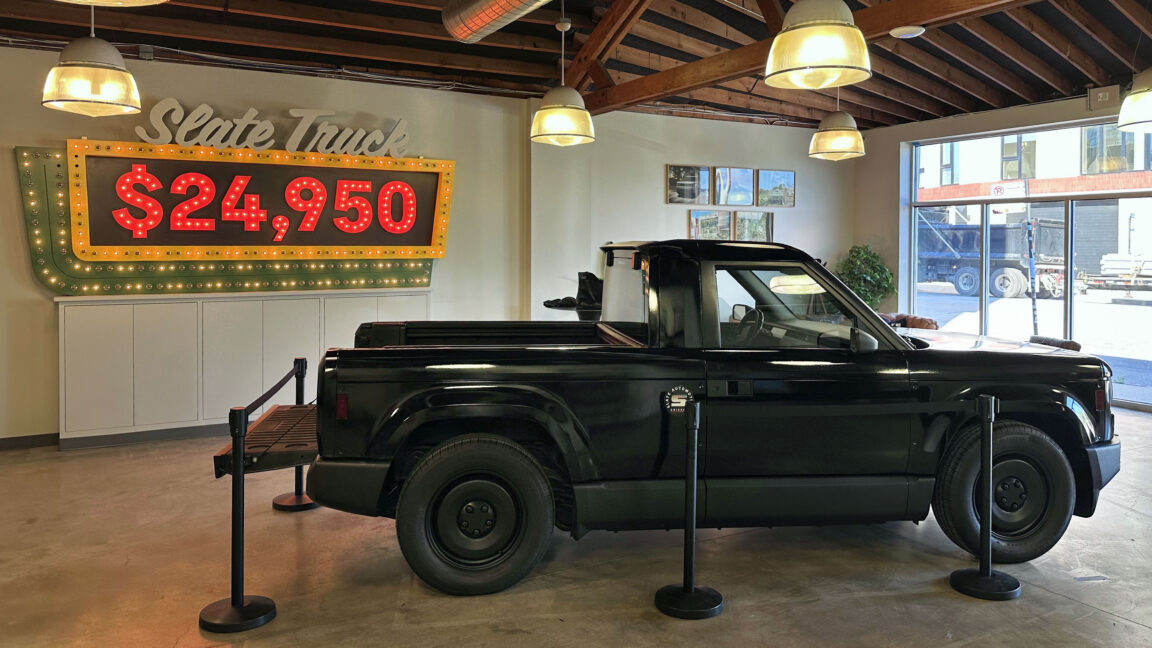
Last week, in a former Tesla store staffed by some former Tesla employees, Slate opened its first showroom. Located in the Fulton Market District just northwest of the Chicago Loop, the Slate Experience Center is a place for would-be buyers to poke around a prototype, check out customization options, buy some Slate merch, and even preorder a new Slate Truck with a $300 deposit.
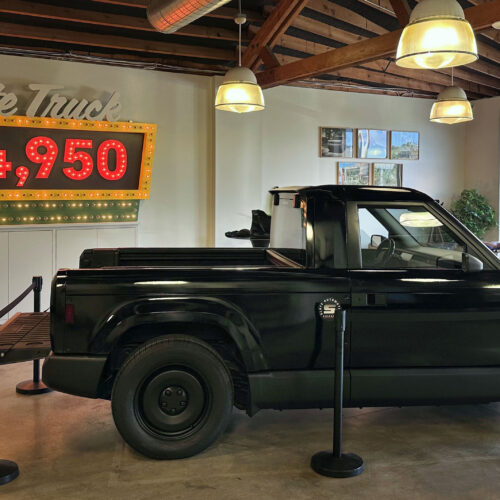
Designed for the American obsession with pickup trucks, the Slate Truck is a bare-bones electric pickup truck retailing for $24,950. It sports plastic panels, a minimalist interior design sensibility, actual window winders, and a projected range of 205 miles. Ars went for a ride in a Slate Truck over the summer, but we haven't had a chance to shop for one. So I stopped by the Slate Experience Center so I could, er, experience the Slate.
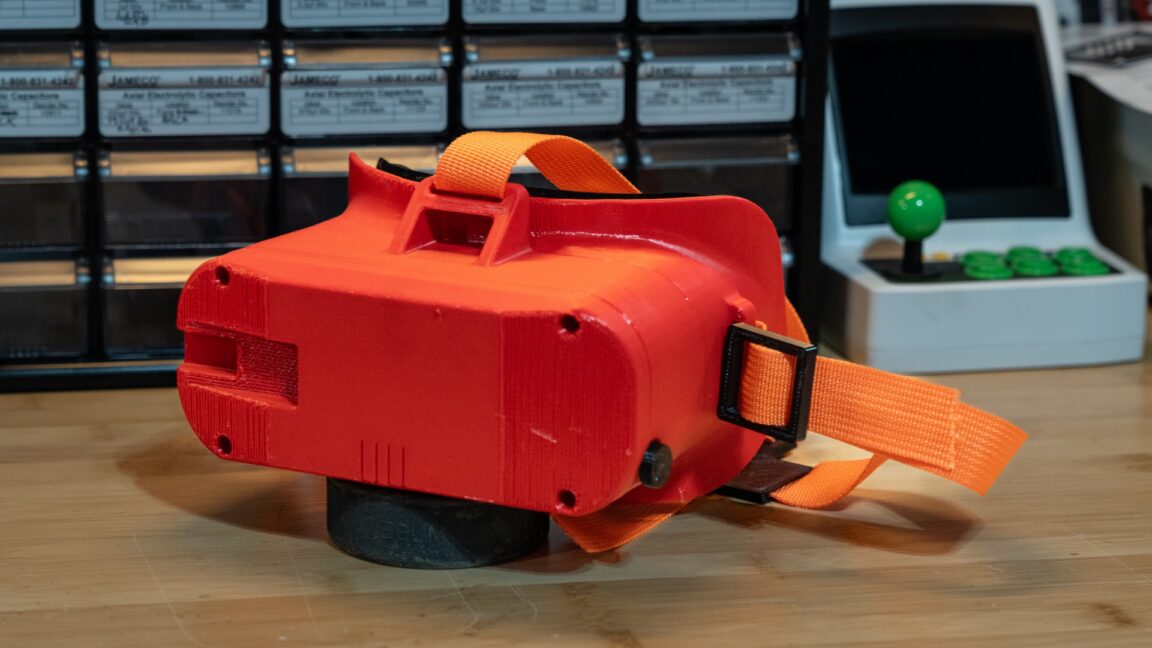
Virtual reality is in a bit of a weird place right now. After a lot of unfulfilled promise in the 1990s, it came back strong with the 2016 release of the Oculus Rift. For a while, it looked like VR, AR, XR, the metaverse, or whatever you wanted to call it, was going to be huge. Mark Zuckerberg was certainly convinced, and even Apple got in on the hype with its Vision Pro.
But by then momentum for alternate realities of every acronym was already in steady decline, and it only dwindled from there. The rate of development of new headsets has slowed, with many companies (including Apple) scaling back or shelving their efforts. While new releases like the Steam Frame and Pimax Dream Air are still happening, many of the most interesting developments in the space these days are on the enthusiast front.
That's right, DIY VR is a thing, and with a couple hundred dollars in components, plus many hours of your time, you too can enter the immersive world of virtual reality while also experiencing the highs and lows of soldering, firmware flashing, and 3D printing. I rode that rollercoaster myself and learned why this is still a decidedly niche movement.
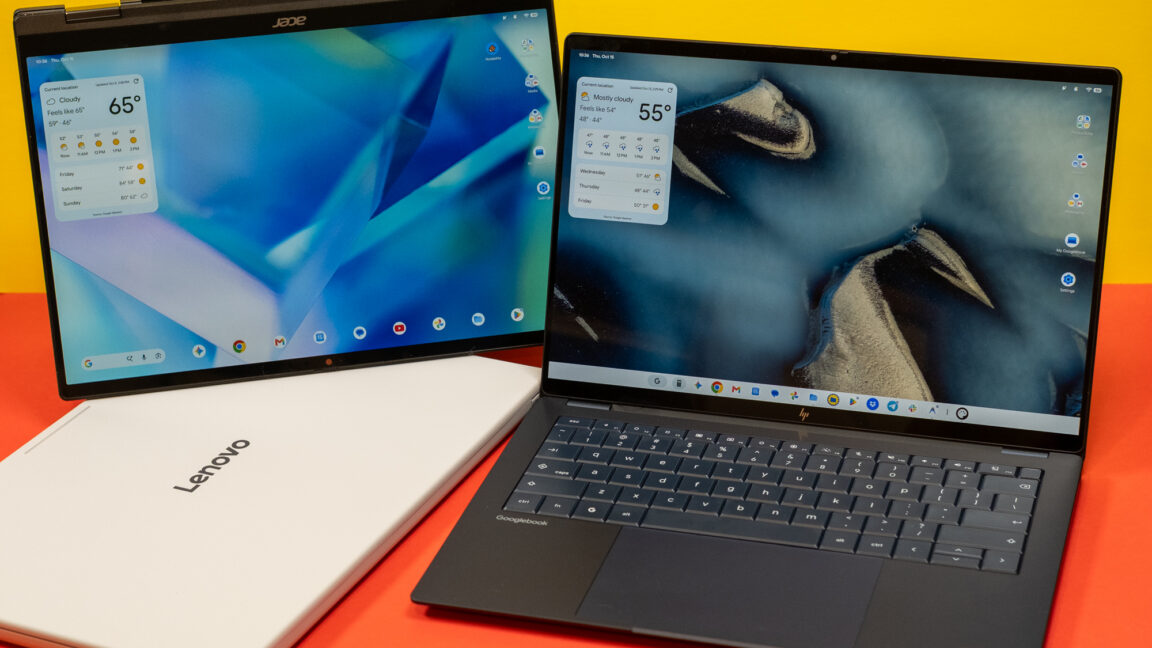
Android was designed for phones, but that hasn't stopped Google from trying to adapt the OS and its apps to larger machines over the years. Googlebooks are just the latest attempt after tablets, Chromebooks, and foldables induced little change in how people interact with Android software. These new Android-powered laptops are designed to pick up where the web-focused ChromeOS left off, offering premium hardware and native support for Android apps.
Google sees Googlebooks as an alternative to Windows and macOS, but these platforms are entrenched with decades of software and UI conventions that keep users locked in. Googlebooks have to offer something very special to steal users away from either of the dominant operating systems.
For devoted Android phone users, there are some cool things in Googlebook OS, but the Android roots of these machines are impossible to miss. Sometimes it feels like using a Chromebook, and sometimes it feels like using a giant phone. It almost never feels like using a premium laptop, and that's the problem.

 Login






 An early-morning line begins to form outside of Stern HQ as buses of Pinball Expo attendees arrive for tours.